Which Travel Style is Right For YOU?
Exploring New Zealand by Campervan vs. Car
New Zealand is one of the world’s most popular road trip destinations. From the snow-capped peaks of the Southern Alps to the tropical beaches of Northland, the country is perfectly suited for independent travel. When planning a New Zealand adventure, one of the biggest decisions is whether to explore the country in a campervan or with a standard rental car.
Both options offer unique advantages and challenges. Your choice will depend on your budget, travel style, comfort expectations, and how much flexibility you want during your journey.
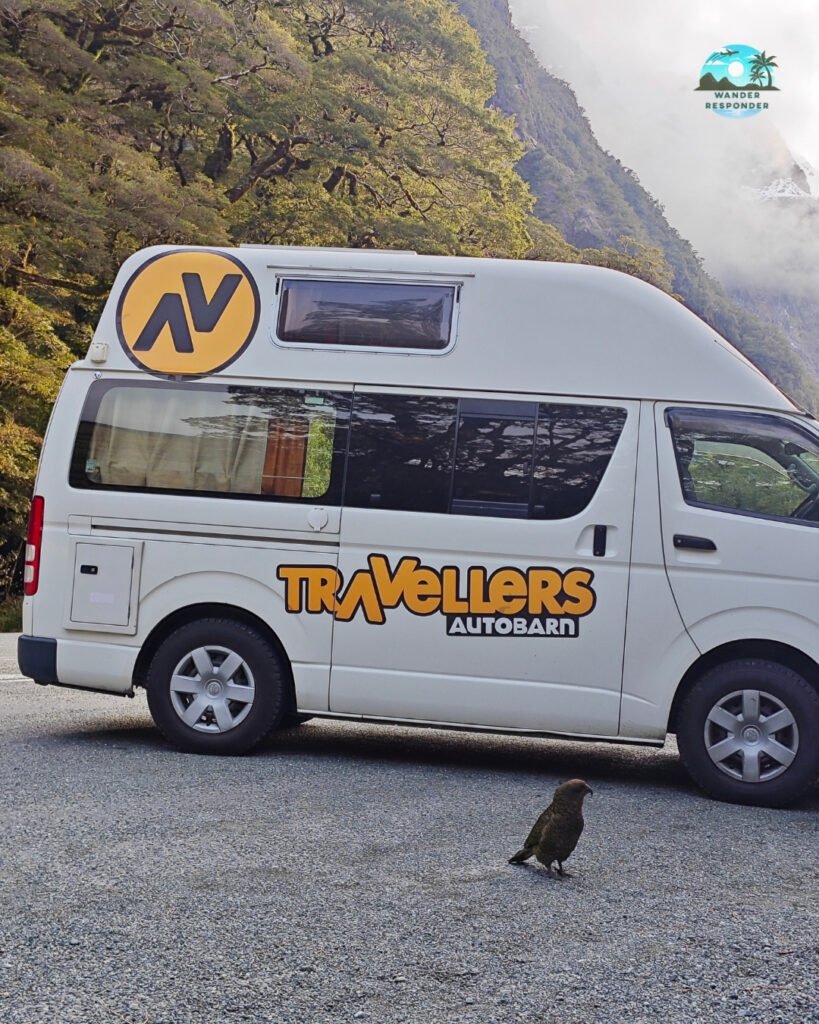
Table of Contents
- Exploring New Zealand by Campervan
- What is a Campervan?
- The Freedom of the Open Road
- Understanding Free Camping in New Zealand
- Department of Conservation (DOC) Campsites
- Holiday Parks
- Advantages of Campervan Travel
- Disadvantages of Campervan Travel
- Exploring New Zealand by Car
- Comfort and Convenience
- Accommodation Costs
- Dining and Food Expenses
- Vehicle Size and Ease of Driving
- Campervan vs. Car: Which Should You Choose?
- Must-Ask Questions When Renting a Campervan
Exploring New Zealand by Campervan
Travelling New Zealand in a campervan is often considered the ultimate road trip experience. A campervan combines transportation and accommodation into a single vehicle, allowing you to travel, sleep, cook, and relax wherever your itinerary takes you.
What is a Campervan?
A campervan is a specially designed vehicle equipped for overnight travel. Depending on its size and configuration, it may include:
- Comfortable beds or convertible sleeping areas
- A kitchenette with a sink and gas stove
- Refrigerator and freezer
- Interior lighting
- Electricity supplied by a leisure battery
- Power outlets and USB charging ports for electronic devices
- Water storage tanks
- Dining area or seating space
- Portable or fixed toilet
Larger campervans and motorhomes may also include indoor shower and permanent toilet, hot water system, larger kitchen facilities and more storage space.
The distinction between campervans and motorhomes is often based on size. Smaller campervans are generally built on van platforms and are easier to drive, while larger motorhomes offer additional living space and facilities but require more confidence behind the wheel.
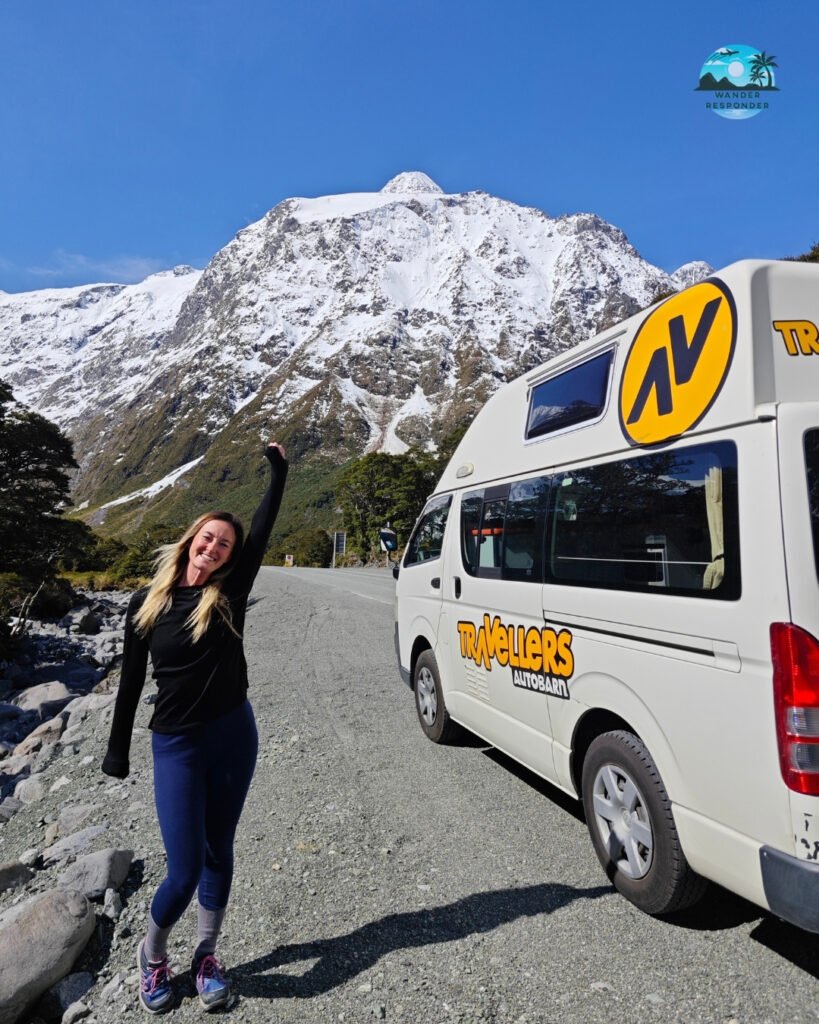
Best campervan rentals: Travellers Autobarn and Jucy
Best motorhome rentals: StarRV
Best of both worlds (sleeper car): Spaceships
The Freedom of the Open Road
One of the greatest advantages of wandering by campervan is flexibility. You are not tied to hotel reservations or strict schedules. If you discover a beautiful beach, mountain lake, or scenic hiking trail, you can often stay nearby instead of driving back to a pre-booked accommodation. Many wanderers enjoy waking up in spectacular locations and starting the day surrounded by nature. This level of freedom is difficult to replicate when travelling by car and staying in hotels.
Understanding Free Camping in New Zealand
A common misconception is that camping in New Zealand is completely free. While free camping does exist, the reality is more complex. Read all about it in this blogpost.
Free camping refers to staying overnight in designated public areas without paying accommodation fees. However, free camping is only permitted in certain locations and is regulated by local councils and land managers.
Many areas allow overnight parking only for certified self-contained vehicles. These vehicles have onboard freshwater and wastewater storage, as well as toilet facilities, allowing travellers to camp responsibly without relying on public amenities or releasing the contaminated water on the ground.
What is wastewater? Read this blogpost.
Some free camping sites provide basic facilities such as toilets, while others offer little more than a designated parking area. Rules vary significantly between regions, so travellers should always check local regulations before staying overnight.
Free camping is only one of several accommodation options available to campervan travellers.
Department of Conservation (DOC) Campsites
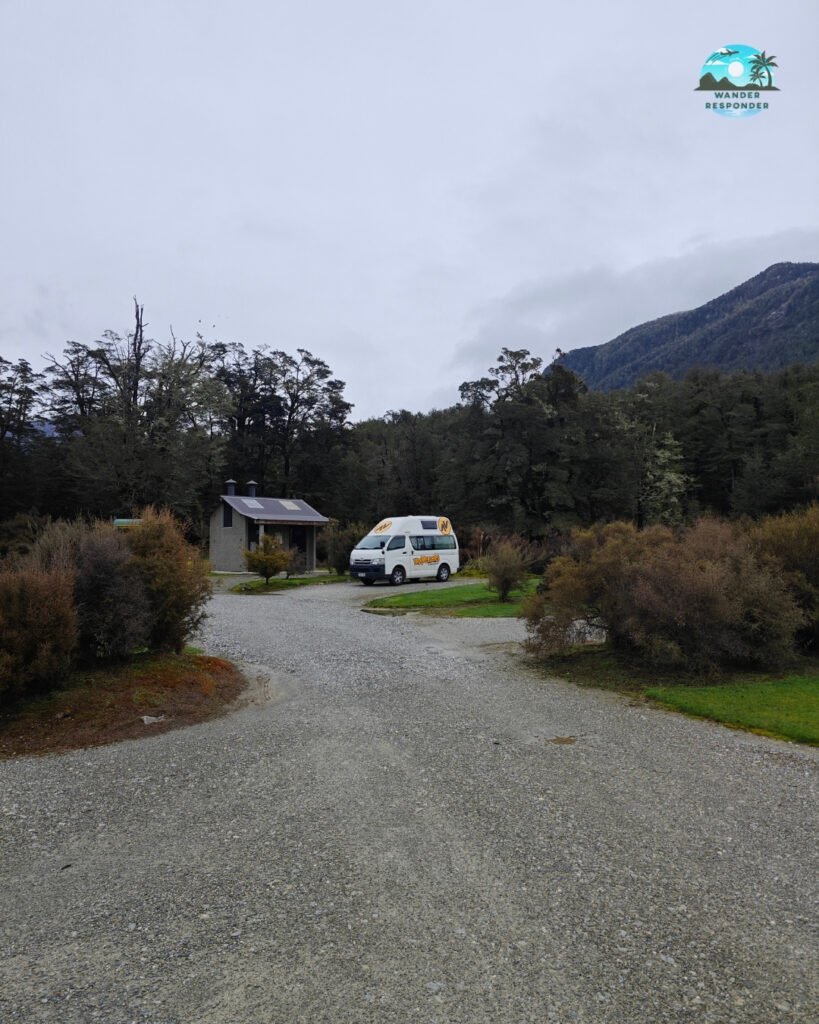
The Department of Conservation manages hundreds of campsites throughout New Zealand, often located in spectacular natural settings. Facilities range from basic campsites with only toilets to larger sites offering water, cooking shelters, and other amenities.
DOC campsites are generally among the most affordable paid camping options in the country and provide access to some of New Zealand’s most beautiful landscapes. Prices range between NZ$10 and 40, depending on the location, demand, season, amenities in camp…
Holiday Parks
Holiday parks are one of the most popular choices for campervan travellers seeking additional comfort and services.
A typical holiday park may offer powered sites for connecting your campervan to mains electricity, non-powered sites if you don’t need main electricity, shared bathroom facilities, communal toilets, hot showers (sometimes payable), shared kitchens, laundry facilities, BBQ areas, children’s playgrounds and Wi-Fi (sometimes payable, and signal often not covering the whole park).
Powered sites allow travellers to recharge batteries, run appliances, and enjoy greater comfort during longer stays. Since we’re talking about New Zealand I must add heating here as well – from late autumn to early spring country gets cold. Powered sites are therefore sometimes a must. Many campervan travellers alternate between free camping, DOC campsites, and holiday parks throughout their trip – depends on what you need on the day.
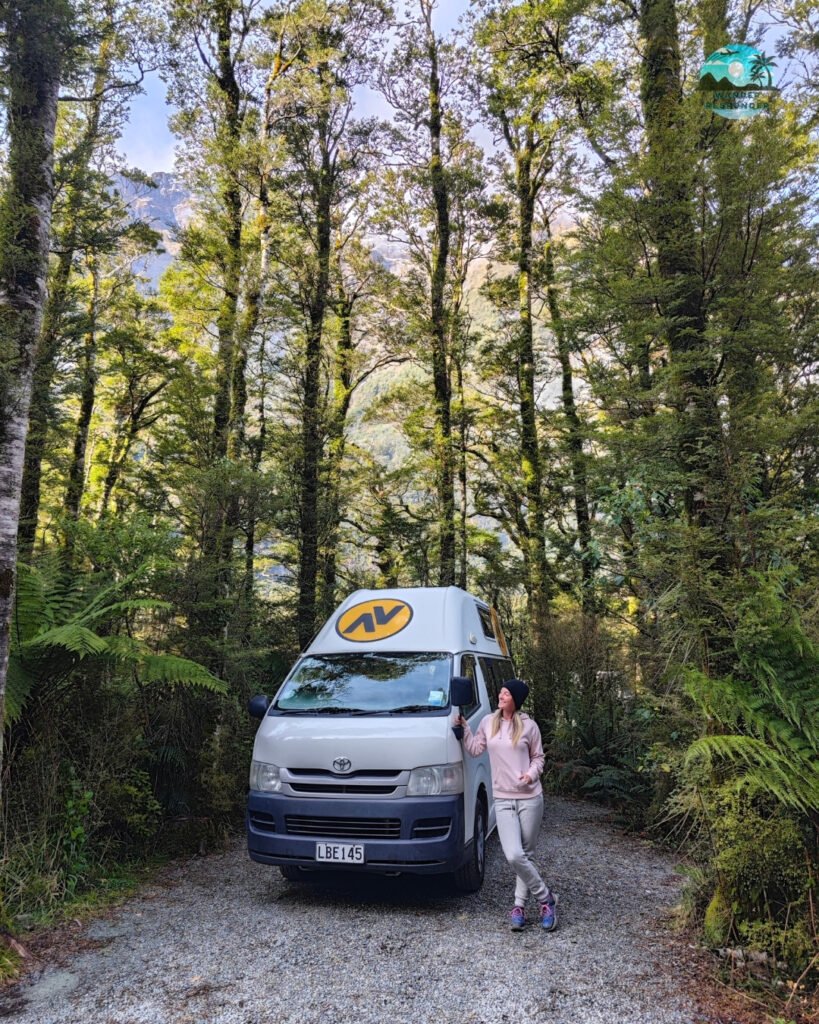
Advantages of Campervan Travel
Accommodation and transport combine into one expense. You have much greater flexibility and spontaneity; you have an ability to cook meals and reduce restaurant spending (which can be expensive in New Zealand) and you have access to remote and scenic overnight locations. You basically have your ‘house’ with you all the time. Vanlife is ideal for nature lovers and outdoor enthusiasts.
Disadvantages of Campervan Travel
Larger vehicles are definitely more challenging to drive. You must take fuel prices into account as well – campervan has higher fuel consumption compared to standard cars. You will have limited living space, you’ll need to manage water, waste, and power systems and be prepared for daily setup and pack-down routines (if you don’t have fix bed – meaning your bed is put away during the day and the space is either a couch or a table area).
Exploring New Zealand by Car
For travellers who prefer comfort, simplicity, and convenience, renting a car and staying in traditional accommodation is an excellent way to explore the country.
Comfort and Convenience
Travelling by car allows you to focus entirely on driving and sightseeing without worrying about campsite facilities, water tanks, battery levels, or waste disposal. Hotels, motels, lodges, apartments, and bed-and-breakfasts provide a level of comfort that many travellers appreciate after a long day of wandering. Instead of converting seats into beds or organising your living space each evening, you can simply check into your accommodation and relax. Many visitors enjoy the luxury of arriving to a clean room, a freshly made bed, private bathroom facilities, reliable heating, and plenty of space to unwind.
Accommodation Costs
The main drawback of travelling by car is the additional cost of accommodation. Unlike campervan travel, where your accommodation travels with you, car wanderers must pay separately for lodging each night. Depending on the season and destination, accommodation costs can become one of the largest expenses of a New Zealand holiday. Popular tourist destinations such as Queenstown, Wanaka, Rotorua, and the Bay of Islands experience very high accommodation demand during peak travel periods.
Dining and Food Expenses
Travelling by car often means eating at restaurants, cafés, and takeaway establishments more frequently. While many accommodations offer kitchen facilities, especially apartments and holiday homes, travellers staying in hotels and motels may find themselves dining out regularly. This adds convenience and allows visitors to experience New Zealand’s food scene, but it can significantly increase the overall travel budget.
By contrast, campervan travellers often prepare their own breakfasts, lunches, and dinners, reducing daily food expenses.
Vehicle Size and Ease of Driving
One of the greatest advantages of renting a car is its size. Cars are easier to park, easier to manoeuvre on narrow roads and way more fuel-efficient. They’re also better suited for urban environments and less intimidating for drivers unfamiliar with larger vehicles. This can be particularly beneficial when exploring busy towns, navigating mountain roads, or finding parking in popular tourist areas. Campervans and motorhomes, while offering accommodation benefits, require more attention when driving and parking due to their larger (and taller!) dimensions.
Campervan vs. Car: Which Should You Choose?
A campervan is ideal for wanderers seeking flexibility, adventure, and the ability to combine transport and accommodation into one mobile base. It offers a uniquely immersive way to experience New Zealand’s landscapes and outdoor lifestyle.
A rental car is often better suited for travellers who prioritize comfort, convenience, easier driving, and traditional accommodation. While accommodation and dining costs are higher, many visitors appreciate the simplicity of ending each day in a warm hotel room with a comfortable bed already prepared.
Therefore, there is no single right answer – it depends on you. Some travellers even combine both approaches—using a campervan for part of their journey and hotels for another. Whether you choose the freedom of a campervan or the comfort of a car, New Zealand’s stunning scenery, welcoming communities, and unforgettable road trip routes ensure an incredible experience either way.
Must-Ask Questions When Renting a Campervan
Before driving away in your campervan, make sure you understand how the vehicle’s essential systems work.
Ask the rental company: How many nights can we typically stay off-grid before needing to connect to a powered site? Battery life varies significantly between vehicles and depends on your use of lights, the refrigerator, device charging, heating, and other electrical equipment.
You should also ask about the freshwater tank, which stores clean water for drinking, cooking, washing dishes, and sometimes showering. Most campervans carry between 40 and 120 litres of fresh water, while larger motorhomes may hold considerably more. Fresh water can be refilled at holiday parks, many campgrounds, public refill stations, and locations shown in apps such as CamperMate.
It is equally important to understand the wastewater (grey water) tank, which collects used water from sinks and showers. These tanks are often similar in size to the freshwater tank and must be emptied regularly. Ask where and how to dispose of wastewater, as it must only be emptied at designated dump stations, which are widely available throughout New Zealand and can also be found using CamperMate and similar apps.
Read this blogpost about must-ask questions when renting a campervan in New Zealand.
Did you know that...
… by purchasing through our links, you support the creation of our website at no additional cost to you. Thank you <3

Mansa
More New Zealand Blog Posts
There are loads of adventurous things to do in New Zealand and we also wrote detailed guides for all of the epic things you can do there. You can explore more of our guides by clicking one of the links below.