The best travel stories rarely begin on the busiest street in town. They start on the side road with no queue, in the family-run guesthouse with three rooms, or on the coastal trail that locals use before breakfast. A good off the beaten path travel guide is not about chasing obscurity for its own sake. It is about making better choices – places with more character, fewer crowds, and a stronger sense of where you actually are.
That sounds romantic, but it also requires better planning. Travelling beyond the obvious usually means fewer direct transport links, less polished infrastructure, and more moments where flexibility matters. The reward is often worth it. You get quieter landscapes, more natural conversations, and a trip that feels like your own rather than a copy of everyone else’s itinerary.
What an off the beaten path travel guide should actually help you do
A useful guide should do more than list hidden gems. That phrase has been stretched so far it has nearly lost meaning. If a place appears on every social feed and in every airport bookshop, it is not hidden. More importantly, a worthwhile guide should help you decide whether a lesser-known place is right for your trip.
Some travellers want complete independence and are happy piecing together regional buses, local ferries, and changing weather forecasts. Others want a route that feels adventurous without spending days sorting logistics. Both approaches are valid. The real question is how much uncertainty you enjoy.
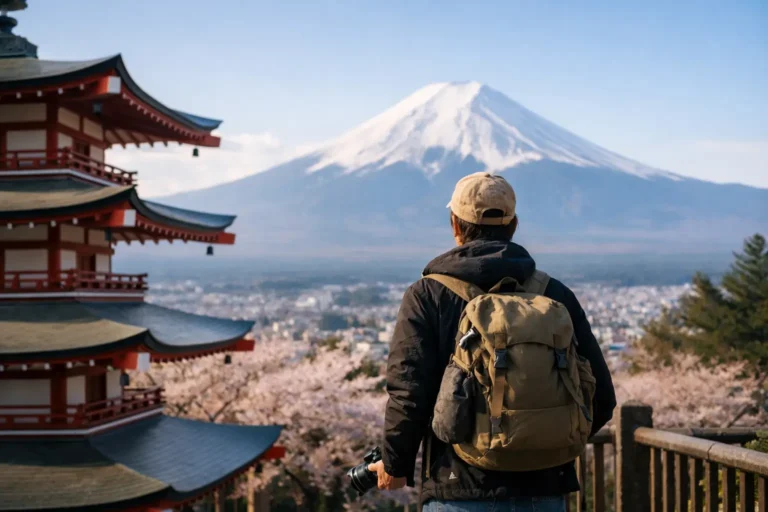
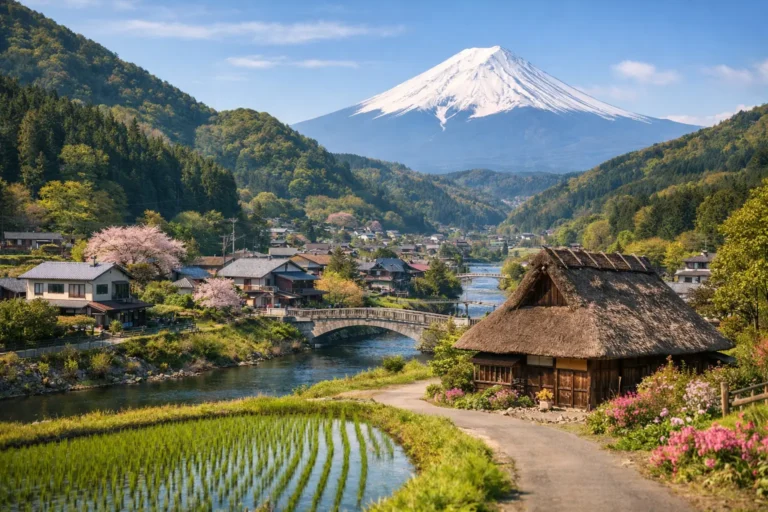
Off-the-beaten-path travel also depends on your destination. In Japan, it might mean skipping Tokyo-Kyoto-Osaka for smaller towns in Tohoku or Shikoku. In Morocco, it could mean spending more time in mountain villages and less in the most photographed medinas. In New Zealand, it may simply mean turning one iconic stop into a half-day and giving more time to a quieter region nearby. It is rarely about avoiding all popular places. It is about balance.
Start with regions, not just attractions
The easiest planning mistake is building a trip around isolated sights. One waterfall here, one village there, one famous lookout in between. On paper it looks exciting. In practice it can turn into too much packing, too much driving, and not enough time to absorb a place.
A better method is to choose one or two regions and go deeper. Look at how people move locally, what the landscape offers, and how many nights a place deserves once you remove the headline attractions. Regions tend to reveal more than single points on a map. You notice food traditions, day-to-day rhythms, and the difference between a place made for visitors and one that still runs mostly for residents.
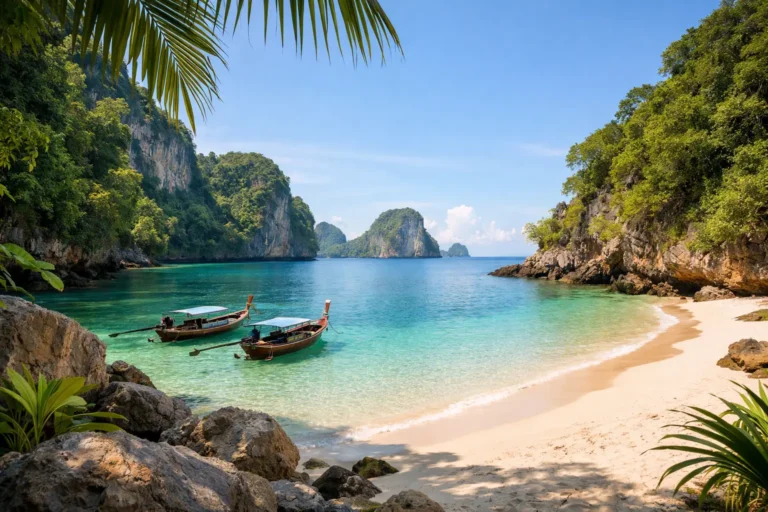
This is where smaller destinations often shine. A remote coastal town, a mountain valley, or a rural island may not offer ten marquee sights. What they do offer is continuity. Your mornings, meals, walks, and chance encounters all happen in the same setting. That creates a stronger sense of place than a fast-moving checklist ever can.
How to tell if a place is genuinely worth the detour
Not every lesser-known spot is underrated. Some are simply inconvenient. Before adding anywhere to your route, ask a few practical questions. Does the journey there eat up an entire day for one hour of sightseeing? Is the season right, or will rain, wind, or snow limit what you can actually do? Are there enough accommodation and food options to make the stop comfortable for your style of travel?
You should also look for signs of depth. A good detour can support at least one or two full days without feeling forced. Maybe it has several walks, a market, a local history site, and access to a scenic drive. Maybe the draw is less about attractions and more about atmosphere. Either way, it needs enough substance to justify the effort.
Use local rhythm to avoid crowds without missing the highlights
One of the smartest off-the-beaten-path strategies is not going somewhere different. It is going at a different time. Even heavily visited destinations have quiet windows. Early mornings, shoulder seasons, midweek stays, and overnight stops can radically change how a place feels.
If you want the famous old town, go before day-trippers arrive. If you want the celebrated hiking trail, stay nearby and start at first light. If the region is known for summer crowds, consider late spring or early autumn instead. You may get milder weather, lower prices, and a more relaxed version of the same destination.
This matters because some famous places are popular for good reason. Skipping them entirely can make a trip feel oddly incomplete. The better move is often to see the obvious highlight efficiently, then spend the rest of your time in nearby areas that receive a fraction of the attention.
Build flexibility into transport and accommodation
An off the beaten path travel guide should be honest about friction. Remote travel is rewarding, but it can be slower and less predictable. Buses may run only a few times a day. Car hire opens up options but adds parking, road conditions, and confidence behind the wheel. Ferries can be weather-dependent. Trains may be scenic but not always frequent.
That does not mean you need a fully open-ended trip. It means leaving margin. Avoid stacking too many fixed bookings back to back, especially if one delay affects the next three days. In more remote areas, an extra night is not wasted time. It is insurance against bad weather and a chance to settle in.
Accommodation choices matter too. Staying in a central chain hotel on the edge of a region may be convenient, but it can also flatten the experience. A small inn, countryside lodge, or locally run guesthouse often gives you better advice and a stronger connection to the area. You are more likely to hear where to eat, which road has the best viewpoints, and what is actually worth your time.
When group travel makes more sense
Independent travel is not always the best answer, especially in places where access is complicated or local knowledge changes the experience. Some travellers want the freedom of a less conventional route without spending weeks researching every transfer and permit. That is where a well-run small group can be useful.
The key difference is scale. Small-group travel works best when it stays personal, moves efficiently, and does not feel like a coach holiday with a trendier name. Groups capped at around ten travellers can reach places larger operators skip, while still removing the hidden stress of route planning. That balance is a big part of what makes Wander Responder’s style of travel appealing to people who want community and practical support without losing the sense of discovery.
Respect the place you came to see
Travelling beyond tourist centres comes with responsibility. Smaller communities often feel more welcoming because they are less shaped by mass tourism. That is exactly why visitors need to tread carefully. Support local businesses where you can. Learn basic etiquette before you arrive. Dress appropriately, especially in religious or rural settings. Keep noise down, ask before photographing people, and do not assume every viewpoint or path is public land.
There is also a trade-off between sharing and preserving. Posting every exact location can turn a peaceful place into next season’s crowded hotspot. Sometimes the most respectful thing you can do is talk about a region rather than geotagging a precise corner of it.
How to find places that still feel local
The best clues are usually indirect. Instead of searching only for secret spots, search for regional food traditions, local festivals, scenic drives, walking routes, or towns near better-known gateways. Follow transport lines on a map and see where they lead beyond the major stop. Look at where residents from bigger cities go for a weekend rather than where international visitors spend a one-night stay.
It also helps to ask better questions. Not “What is hidden here?” but “Where would you spend two slower days?” or “Which part of this region feels most different from the main tourist route?” Those answers tend to be more honest and more useful.
A strong trip does not need to prove how obscure it is. It just needs to feel considered. If your route gives you room to notice details, meet people naturally, and spend more time in places with real texture, you are doing it right.
The sweet spot is not total isolation. It is finding destinations and moments that still have enough comfort to enjoy, enough character to remember, and enough space to feel like you found something for yourself.