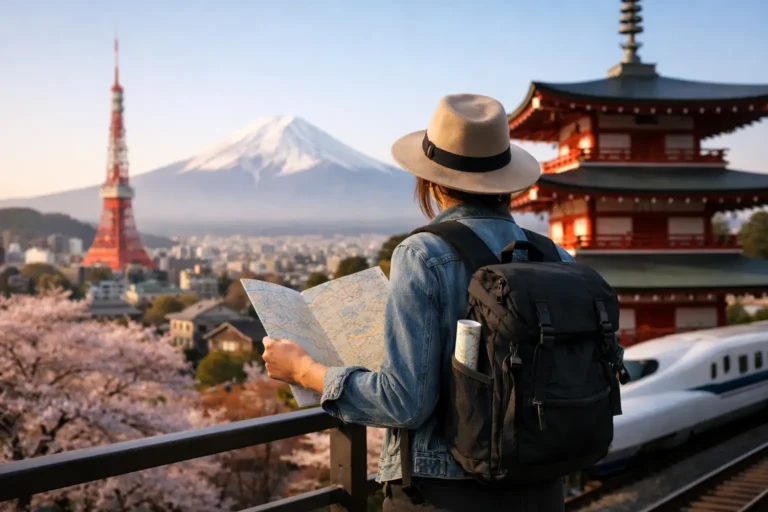
You can tell a lot about a country by how it treats people on their own. In Japan, solo diners are normal, trains run with near-obsessive reliability, and even huge cities can feel surprisingly calm once you know the rhythm. So, is Japan good for solo travellers? For most people, yes – very good – but that answer comes with a few practical caveats worth knowing before you book.
Japan works especially well for independent travellers who like a bit of structure around their freedom. You can move around efficiently, eat well without needing a group, and fill your days with everything from neon city streets to quiet temple towns. At the same time, it is not a destination where everything feels instantly intuitive. Some systems are highly organised rather than highly flexible, and that can feel brilliant or frustrating depending on your travel style.
Why Japan is good for solo travellers
The biggest advantage is ease. Not easy in the sense that every detail is effortless, but easy in the sense that the country is built around order. Public transport is excellent, streets are generally clean and well-signposted, and there is a strong cultural respect for personal space. If you enjoy travelling independently but dislike constant friction, Japan removes a lot of the usual stress.
Safety is a major reason people choose it for a first solo trip to Asia. Violent crime rates are low, and many travellers feel comfortable using trains at night, walking through busy areas alone, or staying out later than they might elsewhere. Common sense still applies, especially around nightlife districts and drinking, but Japan has a reputation for safety for good reason.
There is also the social side of being alone without feeling awkward. Solo dining is widely accepted. Counter seats at ramen shops, sushi bars, curry chains and izakayas make it easy to eat well without feeling like you are taking up space meant for a group. That matters more than people expect. In some countries, solo travel becomes tiring because every meal feels like a small social performance. In Japan, it rarely does.
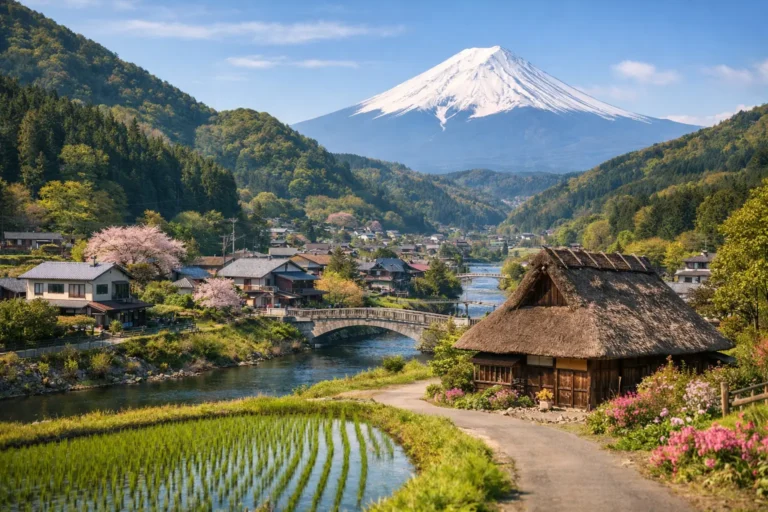
Then there is the sheer range of experiences. A solo trip can be fast-paced in Tokyo, reflective in Kyoto, outdoorsy in Hokkaido, coastal in Kyushu, or built around art islands, hiking trails and onsen towns. If you like shaping your days around your own interests rather than compromise, Japan rewards that kind of travel.
Is Japan good for solo travellers who want to meet people?
Yes, but not automatically.
Japan is excellent for travelling alone. It is slightly less obvious for travellers who want their trip to become instantly social. The culture tends to value privacy and low-disruption behaviour, so random conversations with strangers are less common than in some backpacker favourites. You may not walk into a café and leave with three dinner invitations.
That said, it is far from isolating. Hostels in cities like Tokyo, Osaka and Kyoto are often sociable, especially those with shared kitchens, bars or common rooms. Small group activities such as food tours, walking tours, cooking classes and hikes can make meeting people much easier. If you want a middle ground between full independence and built-in company, a small-group model can work well in Japan because it removes logistical effort without turning the trip into a coach-tour blur.
The key is expectation. If your ideal solo trip involves long stretches of reflective time, quiet wandering and doing things at your own pace, Japan is close to ideal. If your ideal trip depends on constant spontaneous interaction, you may need to be a bit more proactive.
The practical challenges solo travellers should know
Japan is not perfect, and the downsides tend to show up in small but important ways.
Language can still be a hurdle outside major tourist areas. Plenty of signs now include English, and translation apps help a lot, but once you get into regional towns, rural transport or local restaurants, communication can become patchier. Most of the time this is manageable rather than trip-ruining. Still, if you are the sort of traveller who gets flustered when plans need a bit of patient decoding, it helps to prepare.
Accommodation can also be pricey, especially if you want the privacy of your own room. Solo travellers do not have anyone to split hotel costs with, so Japan can feel more expensive than it first appears. Business hotels, capsule hotels and simple guesthouses help keep costs sensible, but if you are imagining lots of traditional ryokan stays, the budget rises quickly.
Dining has improved a lot for solo visitors, but there are occasional trade-offs. Some restaurants specialise in shared dishes or have limited bar-style seating, and a few bookings are easier for pairs than for one. This is more of an issue at higher-end places than at everyday spots. If your priority is convenience, you will eat brilliantly. If your priority is exclusive reservation-only dining every night, solo planning takes more effort.
Nightlife is another area where it depends on your style. Japan can be fun after dark, but bars in tiny alleys, hidden listening rooms and local izakayas are often easier to enjoy if you are confident in unfamiliar settings. For some solo travellers, that is part of the appeal. For others, evenings can feel a touch less accessible than daytime sightseeing.
Best parts of Japan for a solo trip
Tokyo is the easiest place to start. It is enormous, but it is also efficient, varied and full of solo-friendly habits. You can spend a morning in quiet gardens, an afternoon in neighbourhood cafés, and an evening eating ramen at a counter with nobody paying attention to whether you are alone. It is especially good for travellers who want options without needing to plan every hour.
Kyoto suits solo travellers who enjoy slower cultural days. Temples, gardens, tea houses and walkable districts lend themselves well to independent wandering, particularly early in the morning before the busiest crowds arrive. Staying a few nights rather than rushing through on a day trip makes a big difference.
Osaka tends to feel more informal and outgoing. Food culture is central here, and it can be a nice contrast to Tokyo if you want a city break with a looser, livelier feel. Nara, Hiroshima and Kanazawa also work well as manageable additions for solo itineraries.
If you want something beyond the standard route, places like Koyasan, the Kumano Kodo, Naoshima, Nikko or parts of Kyushu can be rewarding. The only catch is that the further you get from the main urban corridor, the more transport timing and accommodation logistics matter. That is not a reason to avoid these places – only a reason to plan with intention.
How to make solo travelling in Japan easier
A good Japan solo trip is usually built on a mix of planning and breathing room. Book your first few nights, understand your arrival route from the airport, and learn the basics of trains before you land. That early structure gives you confidence, especially after a long flight.
Keep your itinerary realistic. Japan looks compact on a map, but moving around still takes time and energy. Many first-timers try to cram Tokyo, Kyoto, Osaka, Hiroshima and a few rural detours into one short trip. Solo travel is usually better when you leave space for aimless walks, convenience store breakfasts, accidental finds and the occasional weather change.
It also helps to lean into the country rather than resist it. Convenience stores are genuinely useful. Luggage forwarding can save your back. Cash is still worth carrying. Queueing, quiet train etiquette and simple routines make daily travel smoother. Japan rewards travellers who notice how things work and adapt, rather than trying to bend everything to their usual habits.
For nervous first-time solo travellers, there is nothing wrong with mixing independence with support. That might mean joining a few local tours, spending part of the trip in hostels, or choosing a small-group departure for the sections that feel hardest to organise alone. The smartest travellers are rarely the ones doing everything unaided. They are the ones choosing the right level of structure for the experience they want.
So, is Japan good for solo travellers?
For safety, convenience, food and freedom, Japan is one of the strongest solo destinations you can choose. It is especially good for travellers who like well-run systems, meaningful solo time and the chance to move between major cities and more offbeat places with confidence.
The trade-off is that it can feel expensive, slightly formal, and occasionally hard to decode if you arrive expecting total spontaneity. But for many people, that is a fair exchange for a country where being alone rarely feels uncomfortable and travelling independently can feel genuinely empowering.
If you are curious about Japan but unsure whether to go solo, this is one of those trips where a little planning goes a long way. Give yourself a smart route, enough time, and permission to travel at your own pace – and Japan will usually meet you more than halfway.