You can learn a lot about your travel style the moment a train is cancelled in a language you do not speak. Some travellers grin, reroute, and turn it into a story. Others would happily swap that uncertainty for a guide who has already sorted the backup plan. That is why the independent travel vs guided tours debate matters more than most packing lists. It shapes your budget, your pace, your stress levels, and often the kinds of places you feel confident visiting.
There is no universally better option here. The right choice depends on the destination, the length of your trip, your confidence with logistics, and what you actually want from your time away. If your goal is total freedom, independent travel can be hard to beat. If your goal is to see more with less friction, a well-run guided trip can make excellent sense.
Independent travel vs guided tours: what really changes?
The biggest difference is not just whether someone else holds the itinerary. It is how decisions get made all day, every day. On an independent trip, you decide where to stay, how long to linger, whether to skip the famous sight and spend the afternoon in a small neighbourhood café instead. That freedom is the draw. It lets you build a holiday around your interests rather than fitting yourself into a set programme.
Guided tours shift that balance. In exchange for less control, you gain structure, local knowledge, and a cleaner planning process. A good tour company has already tested the route, timed the transfers, filtered out weak stops, and figured out what is realistic in a given destination. That can be especially valuable in places where transport is patchy, distances are longer than they look on a map, or language barriers make simple tasks take much longer.
Neither style is automatically more authentic. Independent travellers sometimes assume tours are generic, while tour travellers sometimes assume solo planners only skim the surface. In reality, both can be shallow or deeply rewarding. It comes down to how the trip is designed and how you travel within it.
When independent travel is the better fit
Independent travel suits people who enjoy the planning almost as much as the trip itself. If researching train routes, choosing between guesthouses, and adjusting plans on the move feels exciting rather than draining, you will probably get more out of travelling independently.
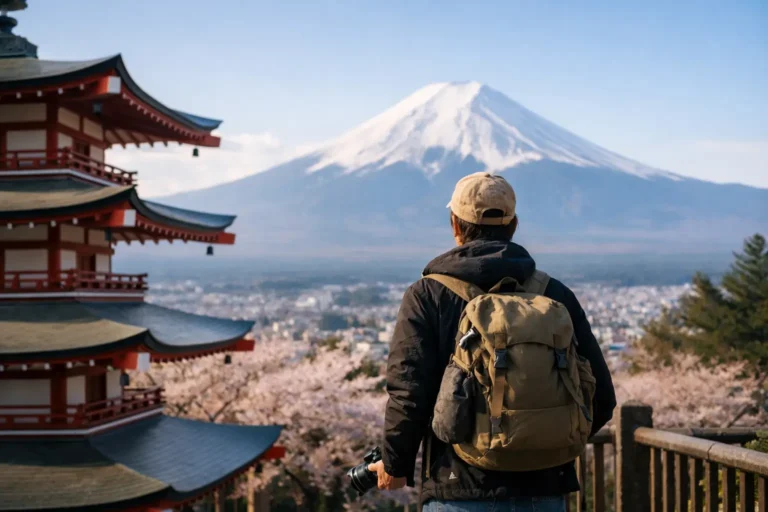
It also works brilliantly in destinations with strong infrastructure. Japan, much of Western Europe, and New Zealand are good examples. Public transport is reliable, booking tools are straightforward, and there is enough traveller information available that you can build a smooth trip without needing much hand-holding. In those places, doing it yourself often means more freedom without a dramatic increase in risk.
There is also the question of time. If you like slow travel, independent trips usually win. You can stay in one town for four nights because the morning market is better than expected. You can change your route because a local recommends a nearby coastal walk. You can choose rest without feeling that you are missing something already paid for.
For budget-conscious travellers, independent travel can be cheaper, but only if you plan carefully. You can save money by using public transport, choosing simpler accommodation, and eating where locals eat. But it is easy to romanticise this. Last-minute bookings, mistakes, and inefficient routing can quickly erase those savings.
When guided tours make more sense
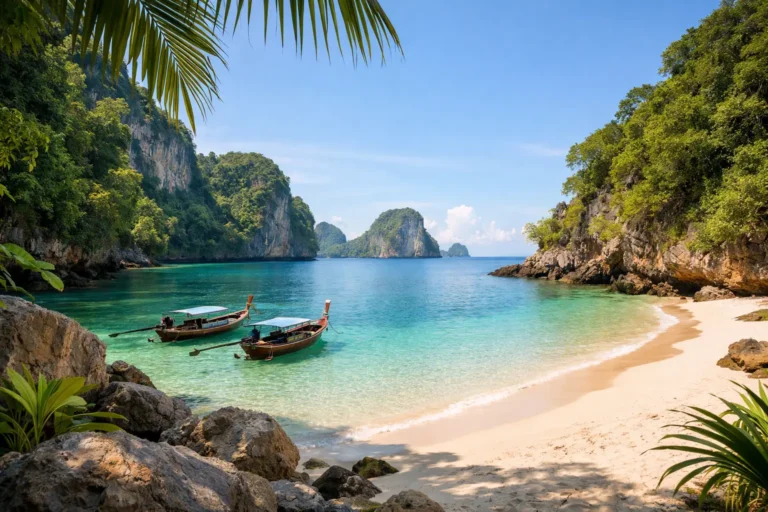
Guided tours are often strongest where complexity is high. Think Morocco with multiple transport changes, Greenland with limited access points, or parts of Thailand where you want to combine islands, cities, and inland experiences without spending half the trip managing logistics. In these cases, a tour is not just convenience. It can be the difference between seeing the trip you imagined and spending your evenings troubleshooting tomorrow.
Safety and confidence matter too. Some travellers are perfectly capable of planning independently but still prefer extra support in unfamiliar places. That is sensible, not less adventurous. Having a guide who understands local norms, seasonal conditions, or transport realities can smooth out the kind of friction that does not sound dramatic online but can wear you down on the ground.
Then there is access. Good guided tours can open doors that are harder to access on your own, whether that means local hosts, specialist guides, remote routes, or simply better timing. This is where small-group travel especially stands apart from the coach-tour stereotype. A group of eight or ten can move differently, stay in smaller properties, and have more meaningful local interactions than a larger operation ever could.
The social element matters as well. Independent travel can be liberating, but it can also be lonely, especially on longer trips. Guided tours give you an instant travel community without the chaos of a huge group. For many people, that balance of shared experience and reduced planning effort is the reason to choose one.
Cost is not as simple as it looks
Many travellers compare the upfront price of a tour with the cheapest possible self-planned version of the same route. That is rarely a fair comparison. A guided trip may include transport, accommodation, activities, entry fees, and on-the-ground support that would add up quickly if booked separately.
At the same time, tour pricing varies wildly. Some large operators advertise a low base rate and then add optional extras, single supplements, and hidden surcharges that change the real cost substantially. Independent travel can give you tighter control over spending because you choose each component yourself. But your own time has value too, and so does the cost of mistakes.
A better question is this: what are you paying to avoid, and what are you paying to gain? If a guided trip saves you twenty hours of research, reduces stress, and gets you into places you would not have found alone, the premium may be justified. If the route is simple and you do not need support, that same premium may feel unnecessary.
The middle ground is often the smartest choice
The independent travel vs guided tours decision does not need to be all or nothing. Some of the best trips use both.
You might travel independently in Tokyo and Kyoto, then join a small-group departure for a more remote section of Japan. You might plan your own Ireland road trip but book a guided hiking segment in a region where local knowledge improves the experience. You might spend a week travelling solo in Morocco and then join a short desert tour to avoid sorting complicated onward connections yourself.
This hybrid approach gives you freedom where freedom is useful and support where support actually adds value. It is often the most efficient way to travel in destinations with a mix of easy and more logistically awkward regions.
For brands like Wander Responder, this is where small-group travel earns its place. The appeal is not replacing independent travel altogether. It is removing friction without flattening the experience. For travellers who still want local character, manageable group sizes, and transparent pricing, that can be a much better fit than either going fully solo or joining a mass-market tour.
How to choose for your next trip
Start with the destination, not your identity as a traveller. Plenty of confident independent travellers are better off on a guided trip in certain countries. Plenty of first-time international travellers are absolutely capable of planning for destinations with clear infrastructure.
Ask yourself how much uncertainty you genuinely enjoy. Not tolerate – enjoy. Some people like solving problems on the move. Others prefer their energy to go into the experience itself rather than the admin around it.
Next, look at the shape of your trip. If you have ten days and want to cover a lot of ground, a guided itinerary can be more efficient. If you have three weeks and want room to wander, independence becomes more attractive. Consider whether you are travelling alone, with a partner, or with friends. Group dynamics can make fixed itineraries either easier or more restrictive.
Finally, be honest about what kind of memories you want. If they come from spontaneous detours, independent travel will probably suit you. If they come from sharing standout moments with a small group while someone else handles the route, guided travel may be the better choice.
Travel does not reward purity. You do not get extra points for doing everything yourself, and choosing a guided trip does not mean giving up curiosity. The best holidays are the ones designed around how you actually like to move through the world. Pick the style that lets you stay present, and the destination usually has more to give.