You can tell a lot about a trip by the moments between the headline sights. It might be a quiet stop at a roadside bakery in Iceland, a chat with a local guide in Kyoto, or the simple relief of not spending your evening comparing bus timetables. That is often where small group adventure tours earn their place. They are not just about seeing more. They are about making the travel itself feel smoother, more social, and more human.
For travellers who want more than a standard coach holiday but do not fancy planning every transfer, permit, and early start alone, this format sits in a useful middle ground. You keep a sense of discovery, but lose a lot of the logistical drag. The question is not whether small group tours are good in general. It is whether they suit the way you actually like to travel.
What small group adventure tours actually offer
At their best, small group adventure tours combine expert planning with enough flexibility to keep the trip from feeling scripted. You are usually travelling with a capped group, often somewhere between 8 and 16 people, though some operators go even smaller. That changes the rhythm of the trip straight away.
A smaller group moves faster. You spend less time waiting for 30 people to reboard a coach, less time herding, and less time being funnelled into places built for mass tourism. It can also open up experiences that are awkward or impossible for bigger departures, such as family-run stays, guided hikes on narrower routes, or meals in places that simply cannot take a crowd.
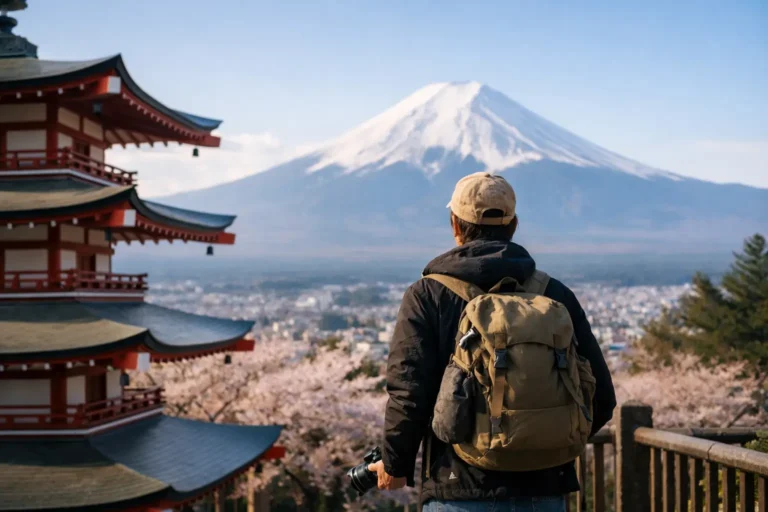
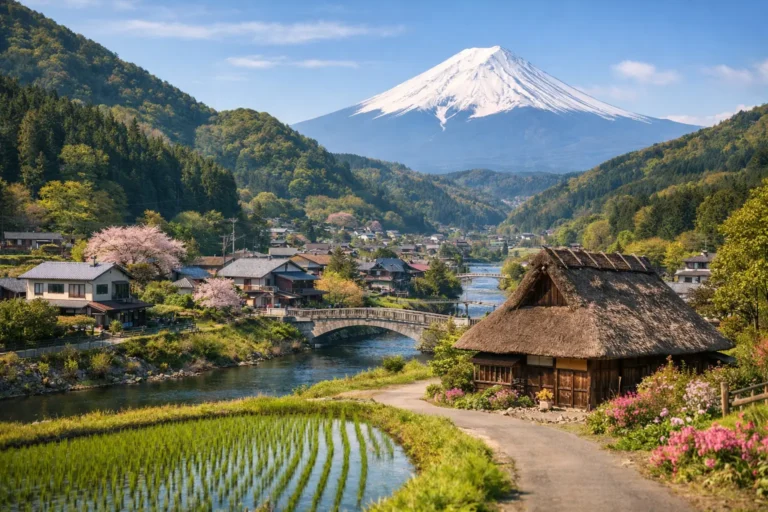
That matters most in destinations where transport is fiddly, distances are long, or local knowledge makes a real difference. Japan, Morocco, Greenland, and Nova Zelandija are good examples. These are all places where independent travel can be brilliant, but where getting the most out of your time often comes down to knowing what to book, where to stay, and how to avoid clunky routing.
Why travellers choose small group adventure tours
The obvious appeal is convenience, but that undersells it. Good tours do more than remove hassle. They give shape to a trip without flattening it.
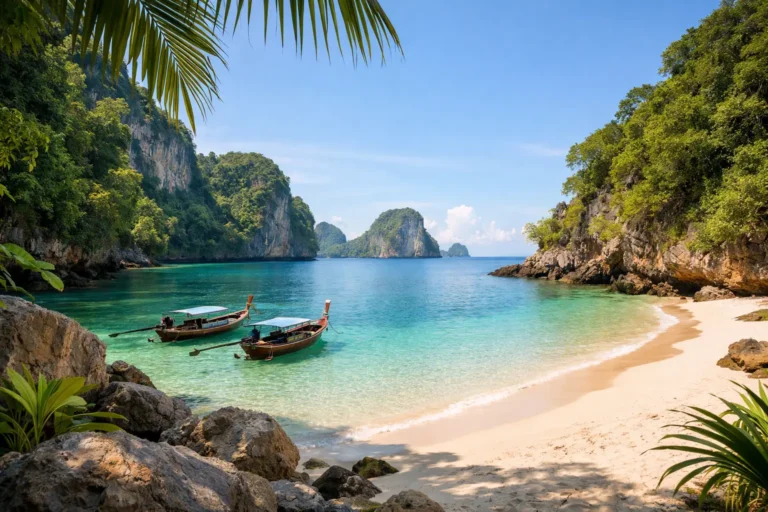
For many travellers, the real draw is confidence. You may be happy travelling independently in cities with clear rail systems and familiar infrastructure, but less keen to sort mountain transport in rural Thailand or navigate shifting weather logistics in Greenland. A well-run small group trip handles those moving parts while still leaving room to look up and enjoy where you are.
There is also the social side. Group travel puts some people off because they picture forced fun, fixed seating plans, and zero personal space. Small groups tend to feel different. You usually have enough people for conversation and shared experience, but not so many that you disappear into the background. If you are travelling solo, that can be especially valuable. You get company when you want it, without the scale and impersonality of larger tours.
Then there is access. Experienced operators know which detours are worth the time and which famous stops are best skipped at certain hours. They know when an included activity adds value and when free time matters more. That judgement is hard to replicate from a few blog posts and map pins.
The trade-offs are real
Small group adventure tours are not automatically the best option for everyone. If your favourite travel days are the ones with no plan at all, you may find even a good itinerary a bit structured. Some people genuinely enjoy the puzzle of independent travel – building routes, changing plans on the fly, finding their own cafés and guesthouses. A tour will never fully replace that feeling.
Cost is the other obvious factor. Smaller groups usually mean higher per-person pricing than large coach tours. The economics are simple: fewer travellers are sharing guide time, transport, and operational overheads. That does not mean they are poor value. It means you need to look at what is actually included.
A transparent itinerary with accommodation, key transport, guiding, and selected experiences can compare well against booking everything yourself, especially in expensive or logistically awkward destinations. On the other hand, some tours look attractively priced at first glance but pile on local payments, optional extras, and single supplements later. If you are comparing options, the headline price is only the starting point.
How to judge whether a tour is genuinely good value
Price matters, but structure matters more. The best small group adventure tours are clear about what you are paying for and why.
Look first at group size. There is a meaningful difference between a group capped at 10 and one described as small but running at 18. A lower cap generally means more flexibility, easier logistics, and a more personal feel. It also tends to mean better access to boutique stays and smaller local experiences.
Next, examine the pace. Some itineraries cram in too much under the banner of adventure. Constant hotel changes and long driving days can leave you with plenty of photos and not much connection to the place itself. Others get the balance right – a few big set pieces, enough transit planning to make the route efficient, and enough breathing room to actually absorb where you are.
Guide quality is another separating line. A strong guide or trip leader can transform a journey. They smooth over practical snags, add context you would never get on your own, and help the group gel without taking over the experience. When an operator talks about expert travellers and local insight rather than generic sightseeing, that is usually a better sign.
Finally, read the inclusions with a slightly sceptical eye. Are key experiences included, or are they all optional once you arrive? Are airport transfers, park fees, or specialist transport left out? Transparency counts for a lot here. Wander Responder, for example, builds part of its appeal around small groups and no hidden surcharges, which is exactly the sort of clarity travellers should be looking for.
Who small group adventure tours suit best
This format tends to work well for people who want a trip to feel adventurous, but not chaotic. If you like the idea of off-the-beaten-path travel yet do not want to spend weeks researching every leg, it is a smart fit.
Solo travellers often get the most obvious benefit. You avoid the single biggest downside of solo planning in remote places, which is carrying the full logistical load alone. Couples and friends can benefit too, especially when they would rather spend their energy on the experience than on comparing ferry schedules, rental car rules, or border paperwork.
They are also a strong option for travellers who value a local angle but want some quality control. Independent travel can absolutely deliver authentic experiences, but it can also deliver wasted evenings, average accommodation, and expensive mistakes. A good small-group operator narrows that margin for error.
Where these tours may be less suitable is for travellers who need complete spontaneity, luxury-level comfort at every stage, or the lowest possible price. Adventure travel often involves early starts, weather changes, and a degree of unpredictability. Smaller groups improve the experience, but they do not remove the realities of the road.
How to choose the right small group adventure tours
Start with the destination, not the marketing. A great operator in Japan may not run equally strong departures in Irska ali Havaji. Look for route knowledge, not just polished branding.
Then match the itinerary to your actual travel style. If you enjoy hiking, active days, and remote landscapes, choose a trip that leans into that rather than a broad introductory circuit. If food, neighbourhood wandering, and cultural context matter more, avoid itineraries built around constant physical challenge.
It is also worth checking how much free time is built in. Some travellers want every day arranged. Others want the reassurance of a framework with space to peel off for an afternoon. Neither preference is wrong, but it helps to know which kind of traveller you are before you book.
One practical point that gets overlooked is group dynamics. Age range matters less than attitude. A mixed-age group with similar energy can work brilliantly. What you want is a tour designed for people who share a travel mindset – curious, flexible, and interested in the destination rather than just ticking off landmarks.
Small group tours versus travelling independently
This is not a simple winner-and-loser comparison. Independent travel gives you maximum freedom, and in some destinations that is still the best choice. If you are spending a week in Lisbon or Edinburgh, for example, a tour may add little.
But in places where geography, language, weather, or transport can complicate a trip, a small group model often delivers a better use of time. You may pay more money, but gain better routing, fewer mistakes, and richer access. For many people, that trade is worthwhile.
The smartest approach is to stop treating organised travel and independent travel as opposites. They can complement each other. You might travel independently through cities, then join a small group departure for a remote region where local coordination makes all the difference. Travel does not need to be pure to be rewarding.
If you are choosing between doing everything yourself and booking a tour, ask a simpler question: where do you want your effort to go? If the answer is into the experience rather than the admin, small group adventure tours are often money well spent. The best trips still leave room for surprise. They just make it easier to reach the good part.