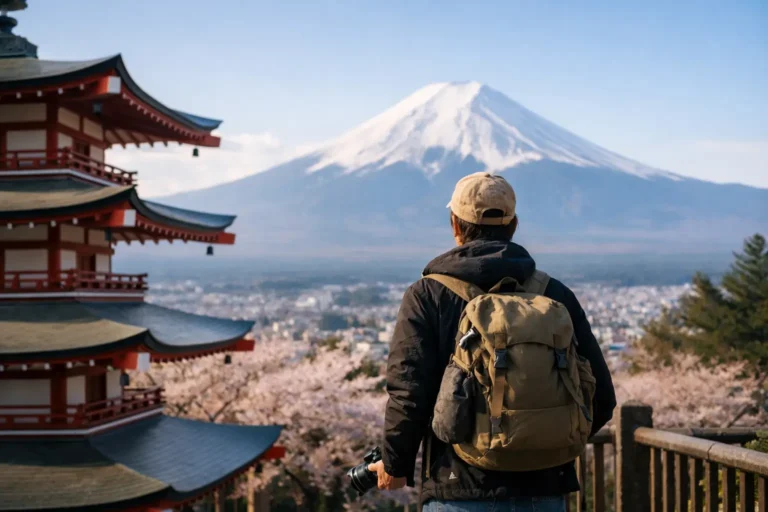
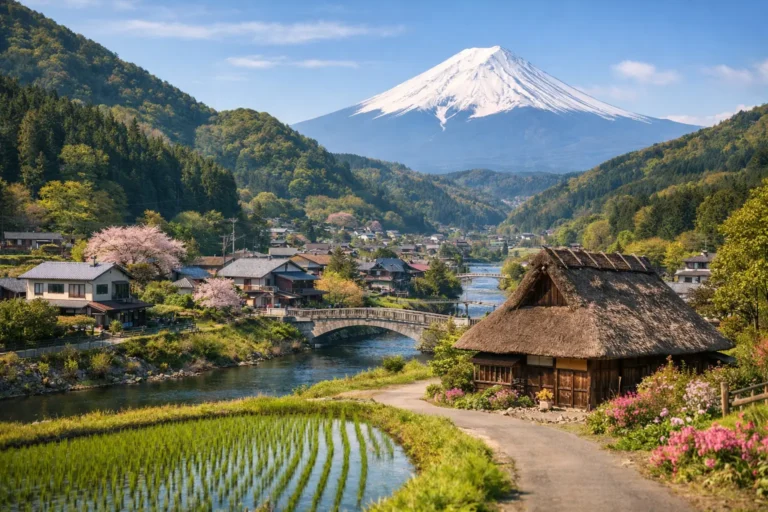
You do not need a packaged coach tour to make Japan work. In fact, if you want the freedom to linger in a tiny kissaten, take a detour to a lesser-known onsen town, or swap one city night for a mountain stay, learning how to travel Japan independently is often the better move. Japan rewards travellers who plan well, stay flexible, and know where structure actually helps.
The good news is that independent travel here is far less intimidating than people expect. Trains run well, cities are safe, signage is usually clear, and convenience stores can rescue a badly timed dinner plan. The catch is that Japan also has a lot of moving parts. Rail passes are not always the bargain they seem, popular stays book out early, and the best routes depend on what kind of trip you actually want.
How to travel Japan independently without overplanning
The biggest mistake first-time visitors make is trying to do all of Japan in one go. Tokyo, Kyoto, Osaka, Hokkaido, Okinawa, Hiroshima and the Japanese Alps can all look manageable on a map when you are still in the dreaming stage. On the ground, that kind of pace turns your holiday into a station-hopping exercise.
A better approach is to choose one region or one clean route and give it room. For a first trip, Tokyo, Kyoto and Osaka still make sense because transport is easy and the contrast between places is strong. But if you prefer slower travel, pairing Kansai with a few side trips such as Nara, Uji or Koyasan often feels richer than racing across the whole country.
If you have two weeks, think in terms of three bases rather than seven. Japan is efficient, but every move costs time: checking out, forwarding luggage, finding platforms, and learning a new neighbourhood. Independent travel feels best when you leave space for the unplanned hour that becomes a highlight.
Build your route around transport, not just attractions
Japan’s public transport is one of the main reasons independent travel works so well, but it pays to understand the basics before you arrive. The shinkansen is excellent for longer intercity journeys, while local trains, subways and buses fill in the gaps. In major cities, you will rarely need a taxi unless you are arriving late, carrying too much luggage, or heading somewhere awkward.
An IC card is one of the easiest wins. It lets you tap in and out on many urban transport networks and saves constant ticket-machine decisions. For longer routes, book reserved seats when travel dates are fixed, especially in peak seasons such as cherry blossom, Golden Week and autumn foliage periods.
The Japan Rail Pass used to be an easy default. Now, it depends. After price changes, many travellers are better off buying individual tickets unless they are covering serious ground in a short time. Work out your likely long-distance journeys first. If your route is mostly Tokyo to Kyoto to Osaka with a few local day trips, the nationwide pass may not be worth it.
Regional rail passes can still be excellent value. They are often more useful for travellers focusing on one area, such as Kansai, Kyushu or parts of central Honshu. This is where a bit of route discipline pays off.
Should you drive in Japan?
Usually, no – at least not for a first trip focused on cities. Parking costs money, urban driving can be stressful, and public transport is better than most visitors expect. But in more rural areas, driving can open up places that are awkward by train, especially in Hokkaido, parts of Kyushu, and alpine regions. If your ideal Japan includes coastal roads, small villages and trailheads, a hire car may be worth it for part of the trip rather than the whole thing.
Budget honestly, not optimistically
Japan can be more affordable than its reputation suggests, but only if you stop comparing every price to the cheapest possible hostel-and-noodle scenario. Independent travellers usually spend more on transport and accommodation than they first estimate.
Rooms in business hotels are often compact but reliable, clean and well-located. They are a strong option if you care more about efficiency than atmosphere. Ryokan stays cost more, yet they can be one of the most memorable parts of a trip, especially when dinner and breakfast are included. Mixing both is often the sweet spot.
Food is where Japan can be kind to your budget. You can eat very well without chasing expensive tasting menus every night. Convenience stores, station food halls, neighbourhood ramen shops and set lunches keep daily costs under control. The trade-off is that some popular restaurants require booking, cash, or patience in a queue, so spontaneity has limits.
Cash is less dominant than it once was, but it still matters. Cards are widely accepted in cities, though smaller inns, local eateries and rural spots may still prefer cash. Keep enough on hand that a dead card reader does not derail your day.
Where to stay when travelling independently
If you are wondering how to travel Japan independently and still keep things smooth, choose accommodation near stations without becoming obsessed with being in the exact centre. In Tokyo especially, being near a well-connected station matters more than chasing a famous district name.
In Kyoto, staying close to transport is helpful because the city relies heavily on buses as well as trains. In Osaka, areas around major stations make day trips simple. For smaller towns, staying near the station can be convenient, but a ryokan with character just outside the centre may offer more of the atmosphere you came for.
Book earlier than you think you need to, particularly for spring and autumn. The best-value places disappear first, and Japan’s room stock in popular areas can tighten quickly. If your trip coincides with domestic holidays, prices can jump.
Luggage can shape your trip more than you expect
Dragging a large suitcase through stair-heavy stations is one of the least romantic parts of independent travel in Japan. Pack lighter than you think you need, or use luggage forwarding between hotels for longer hops. It is not a luxury trick. It is often the difference between a smooth transfer and a miserable one.
Etiquette matters, but you do not need to panic
A lot of first-time visitors worry about getting cultural etiquette wrong. That concern usually comes from a good place, but it can become overblown. Japan is not a test you are waiting to fail. If you are observant, patient and polite, you will be fine.
A few habits go a long way. Keep your voice down on public transport. Do not block narrow pavements or station gates. Follow queueing order. Learn basic greetings and thank-yous. If a rule is posted, follow it even if no one is policing it.
Shoes-off situations catch some travellers out, especially in traditional accommodation, temples and certain restaurants. Watch what locals are doing. If there are slippers by the entrance, that is your clue. Onsen etiquette also matters. Wash before entering the baths, and check tattoo policies in advance because they still vary.
Food, language and daily friction points
One of the quiet joys of travelling independently in Japan is how easy daily life can become once you settle in. Convenience stores are useful beyond snacks. They help with breakfast, cash withdrawals, late-night food, and basic travel fixes. Vending machines are everywhere. Clean public loos are common. These small conveniences add up.
Language can still be a hurdle, especially outside major cities, but it is rarely a trip-ending one. Translation apps help, and many routine interactions are predictable enough to manage with a smile and a few words. Restaurant ticket machines, hotel check-in screens and station signage reduce friction further.
That said, rural Japan asks more from you. English may be limited, bus timetables may be less forgiving, and dining options can close earlier than expected. If you want the quieter side of the country, that is part of the trade-off. You gain depth and atmosphere, but you lose some convenience.
The best first-time independent routes
For most travellers, the easiest entry point is a classic route with selective side trips. Tokyo gives you energy, food and neighbourhood variety. Kyoto delivers temples, gardens and traditional streets, though it is busiest where everyone expects it to be. Osaka adds a looser, more food-driven city break feel.
If you want something less obvious, consider pairing Tokyo with the Japanese Alps, or building a Kansai trip that includes Nara, Kobe and a temple stay on Koyasan. Hiroshima and Miyajima also fit well into a first itinerary if you have enough time. These routes keep transport manageable while showing more than one version of Japan.
Travellers who want support without joining a large, impersonal tour often sit somewhere in the middle. That is where small-group travel can make sense – not as a replacement for independent travel, but as a way to reach places that are harder to plan solo. Brands such as Wander Responder appeal for exactly that reason: expert travellers, smaller groups, and no hidden surcharges.
How to travel Japan independently and actually enjoy it
Treat Japan as a place to experience, not a checklist to complete. Leave room for neighbourhood wandering, a second coffee, an unexpected shrine, or an afternoon train ride just because the view looks good. The practical side matters – tickets, timing, station exits, reservations – but the point is to create enough structure that you can notice where you are.
If you plan with a clear route, realistic budget and a bit of humility, independent travel in Japan is not just possible. It is one of the most rewarding ways to see the country, especially once you step a little beyond the obvious and let the trip breathe.