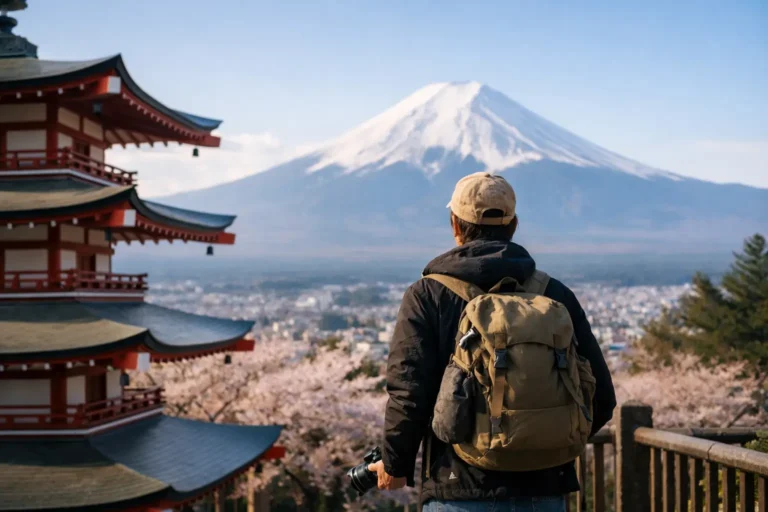
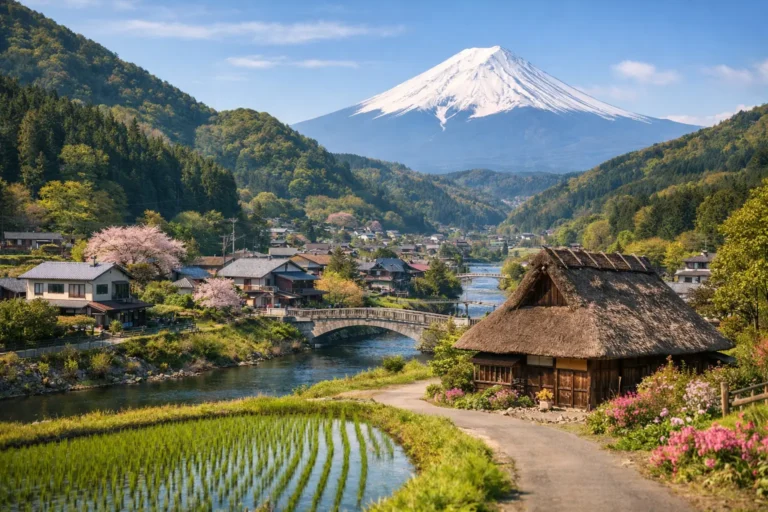
Skip the queue at Tokyo Skytree for a moment and picture this instead: a harbour town with old wooden storehouses, a volcanic island with black sand tracks, or a mountain village where the evening soundtrack is water wheels and wind in the trees. The best hidden gems in Japan are not secret in the literal sense – locals know them well – but they do sit outside the standard Tokyo-Kyoto-Osaka rhythm most first-time itineraries follow.
That matters because Japan rewards travellers who leave room for the less obvious. The country’s headline sights are famous for a reason, but some of its most memorable places are the ones that ask for a little more effort, a regional train connection, or one extra night. If you want a trip that feels more personal and less copy-and-paste, these are the places worth considering.
What makes the best hidden gems in Japan worth your time?
A hidden gem is not simply a place with fewer tourists. It needs to offer something distinct – stronger local character, unusual landscapes, better value, or a pace that lets you actually notice where you are. In Japan, that often means small cities with preserved historic quarters, rural hot spring towns, island communities, and nature-heavy regions that are easy enough to reach but rarely make the average checklist.
The trade-off is straightforward. Some of these places require more planning, especially if you rely on public transport. English signage can be thinner, restaurant hours can be shorter, and luggage logistics may need a bit more thought. But for many travellers, that is exactly where the reward sits.
1. Kanazawa
Kanazawa is often the first place people mention when they want somewhere cultured but less frantic than Kyoto. That comparison is useful, but only up to a point. Kanazawa has its own rhythm: samurai districts, geisha quarters, serious craft traditions, and one of Japan’s best gardens, all packed into a city that is manageable on foot or by bus.
It works especially well for travellers who want history without the heaviest crowds. The food scene is another draw, thanks to seafood from the nearby coast and a market culture that still feels local rather than staged. If your time in Japan is limited, Kanazawa is one of the easiest hidden-gem choices to justify because access is simple and the payoff is immediate.
2. Kinosaki Onsen
If your idea of Japan includes soaking in hot springs in a yukata while walking between bathhouses after dark, Kinosaki Onsen delivers. This small onsen town in Hyogo Prefecture has a classic canal-lined setting, willow trees, traditional inns, and a layout built for slow wandering.
It is not unknown, but it still feels far more intimate than bigger hot spring resorts. Staying overnight is the key. A day trip misses the quiet hours when the town feels most atmospheric. One thing to consider: if you have tattoos, always check bath policies in advance, as rules vary.
3. Yakushima
Yakushima is one of the strongest picks for travellers who want nature to lead the trip. This island south of Kyushu is known for ancient cedar forests, misty mountain trails, and a landscape that feels almost unreal after time in Japan’s major cities.
It is best suited to people happy to plan around weather, because rain is part of the experience here. That can be a downside if you want predictable sightseeing, but a plus if you like destinations that feel alive and slightly untamed. A car gives you more flexibility, though buses can work with patience and a light itinerary.
4. Matsumoto
Matsumoto is one of those cities that slips neatly into a broader route while still feeling like a genuine find. Its black castle is among Japan’s best, but the appeal goes beyond one landmark. The city has easy access to the Japanese Alps, a laid-back centre, and enough cafés, galleries, and local restaurants to make a one-night stop feel too short.
For travellers moving between Tokyo and the mountains, Matsumoto makes practical sense. It also suits anyone who prefers smaller cities with a clear identity over oversized urban sprawl.
5. Tomonoura
Tomonoura, on the coast near Fukuyama, is the kind of place that changes your pace the second you arrive. This old port town has narrow lanes, sea views, temple walks, and a weathered beauty that comes from simply being itself rather than trying to impress.
It is a strong choice if you are interested in the Setouchi region but want somewhere quieter than the bigger island-art circuit. The appeal here is not a packed sightseeing list. It is the mood, the shoreline, and the feeling of having stepped into a slower version of coastal Japan.
6. Aizuwakamatsu
For travellers who like history with a bit of edge, Aizuwakamatsu in Fukushima Prefecture deserves a look. This samurai city has a complex past, a rebuilt castle, sake breweries, and a strong regional identity that gives it more depth than many stop-in-and-leave destinations.
It also offers a useful reminder that some of Japan’s most rewarding places are overlooked because they sit outside standard routes, not because they lack substance. If you enjoy places where history still shapes local pride, Aizuwakamatsu stands out.
7. Iya Valley
Deep in Shikoku, the Iya Valley is for travellers who do not mind a few bends in the road. Think steep mountain slopes, vine bridges, remote hamlets, and river scenery that feels far removed from the cities most visitors know.
This is one of the best hidden gems in Japan for people chasing landscape and quiet rather than urban culture. The trade-off is access. Public transport exists, but it is limited, and self-driving makes the region much easier to explore. If you are comfortable with that, Iya can become a trip highlight.
8. Otaru
Otaru is often overshadowed by Sapporo, which is exactly why it works so well. This small Hokkaido port city has canal views, old warehouses, seafood markets, and a slightly nostalgic feel that suits an easy overnight stay.
It is especially good in winter, when the scenery turns cinematic, but it is not only a cold-weather destination. If you are already in Hokkaido and want a compact place with character, Otaru is a smart addition.
9. Naoshima’s quieter corners
Naoshima is no longer a secret, so calling the entire island hidden would be a stretch. Still, outside its headline museums and famous art installations, there are quieter stretches that many visitors rush past. Stay overnight, hire a bicycle, and spend time in the residential lanes and coastal roads rather than trying to tick off every gallery in one day.
That shift changes the experience. Instead of a fast art stop, Naoshima becomes a place with breathing room. If you value both design and slower travel, it earns its place here.
10. Hagi
Hagi, in Yamaguchi Prefecture, is one of Japan’s most underrated historic towns. It has preserved samurai districts, pottery traditions, and a coastal setting that gives the whole place a calm, spacious feel.
It does not have the instant name recognition of bigger heritage destinations, which is part of the appeal. Hagi suits travellers who enjoy walking through places where history feels integrated into everyday life rather than packaged for visitors.
11. Mount Aso region
If your image of Japan leans too heavily towards neon and temples, the Mount Aso region in Kyushu is a useful correction. Vast grasslands, volcanic scenery, crater views, and open roads make it feel dramatically different from the country’s urban centres.
This area is best for travellers who can stay flexible, as volcanic activity and weather can affect access. Even with that uncertainty, it is one of the strongest choices for anyone wanting outdoor scale and a side of Japan that many international visitors never prioritise.
12. Teshima
Teshima is often paired with Naoshima, but it deserves attention in its own right. The island blends contemporary art, sea views, rural landscapes, and a softer, quieter atmosphere that many travellers end up preferring.
It is not packed with attractions in the usual sense, which is exactly why it works. Teshima rewards those willing to move slowly and let the island set the tempo.
How to choose the right hidden gem for your trip
The best choice depends on what you want Japan to feel like. If you want culture and food with easy logistics, choose Kanazawa or Matsumoto. If you want rest and atmosphere, Kinosaki Onsen is hard to beat. For hiking and nature, Yakushima and Iya Valley are stronger fits. If coastal towns and island pace appeal, look at Tomonoura, Teshima, or quieter time on Naoshima.
Season matters too. Hokkaido and alpine areas shine in cooler months, while southern islands and Kyushu can be more comfortable outside peak summer heat. If you are travelling during cherry blossom or autumn leaf season, book earlier than you think you need to – hidden gems stop feeling hidden very quickly when domestic travellers are on the move.
Practical tips for visiting hidden gems in Japan
A little planning goes a long way. Regional rail passes can be useful, but they are not always the cheapest option, so price your route properly rather than assuming a pass is best. In more rural areas, carrying some cash still helps, and downloading offline maps is sensible.
Try not to overpack your itinerary. Hidden-gem travel in Japan works best when you leave room for local trains, changing weather, and places that are enjoyable precisely because they are not rushed. If you prefer that balance of independence and shared experience, this is also where a well-curated small-group trip can make life easier without turning the journey into a conveyor belt – something brands like Wander Responder understand well.
The real win is not finding somewhere nobody has heard of. It is choosing places that still feel grounded, specific, and worth the effort once you arrive. Build your Japan itinerary around one or two of those, and the trip usually becomes far more memorable than another checklist ever could.