The best trips are often the ones that start with a slight logistical headache. A ferry that only runs twice a day. A mountain town with one guesthouse worth booking early. A region people usually pass through on the way somewhere else. If you are searching for off the beaten path holiday ideas, that is usually the real signal – not total isolation, but places and experiences that still ask something of you and give more back because of it.
The trick is choosing destinations that feel distinct without becoming hard work for the sake of it. Remote does not automatically mean rewarding, and popular does not always mean spoiled. The sweet spot sits somewhere in the middle: places with enough infrastructure to travel comfortably, but not so much that the experience feels pre-packaged before you arrive.
What makes off the beaten path holiday ideas worth it?
For many travellers, the appeal is not simply avoiding crowds. It is the chance to travel with more texture. You notice local routines more easily in places that are not built around visitor flow. Meals feel less transactional. Conversations are less rehearsed. Your days stop looking like everyone else’s social feed.
There are trade-offs, of course. Transport may be less frequent, weather matters more, and you might need to plan around cash access, seasonal closures, or limited English signage. That does not make these trips difficult. It just means the planning stage matters more than it does for a city break in a major capital.
9 off the beaten path holiday ideas that still feel doable
1. Base yourself on a smaller Japanese island
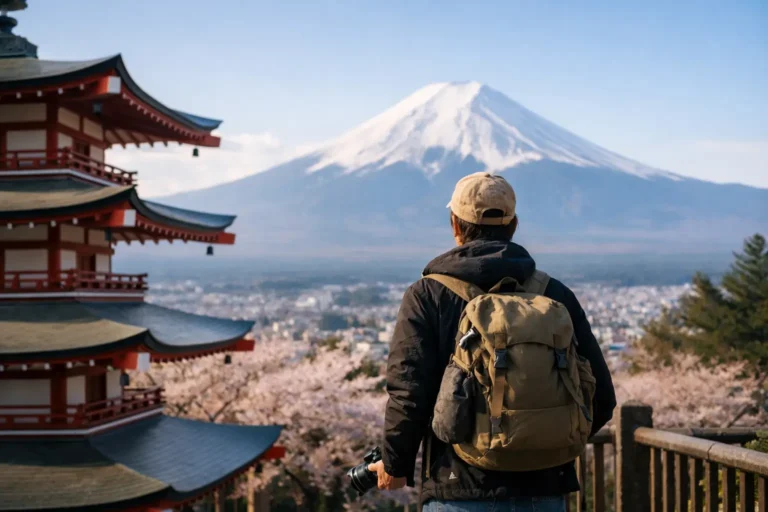
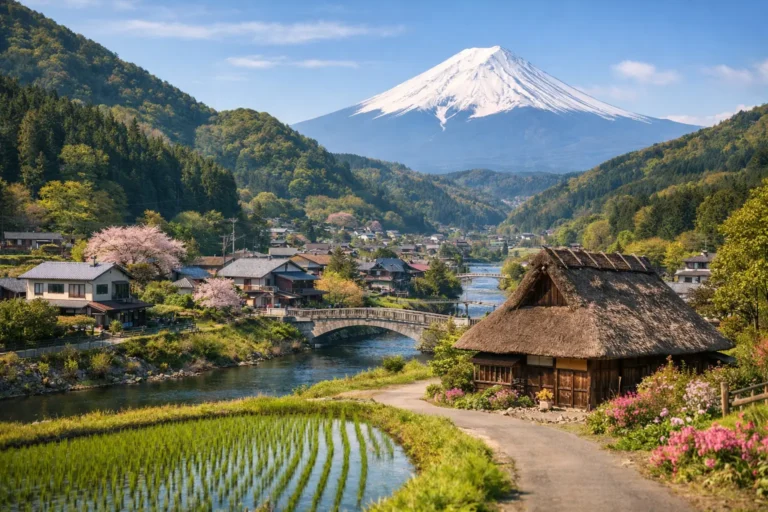
Japan rewards repeat travellers who look beyond Tokyo, Kyoto, and Osaka. One of the strongest alternatives is to spend your trip, or part of it, on a smaller island such as Naoshima, Yakushima, or the quieter corners of Okinawa Prefecture. Each offers a very different kind of holiday, from contemporary art to cedar forests to reef-lined coast.
This works especially well if you like structure without over-scheduling. Ferries, local buses, and compact towns create natural pacing. You are not trying to cram six major sights into one day. Instead, you get slow mornings, scenic transfers, and the feeling of being somewhere with its own rhythm.
Yakushima suits walkers and nature-focused travellers. Naoshima is stronger for art, architecture, and short stays. If you want beaches with a local feel rather than full resort energy, the lesser-known Okinawan islands are often the better fit.
2. Take the long way through inland Morocco
Morocco gets treated as a highlights reel too often: Marrakech, a desert camp, Chefchaouen, done. A more satisfying route is to focus on the inland transitions – mountain roads, old kasbah towns, valley stays, and market centres where travel feels grounded rather than performative.
The Anti-Atlas and Draa Valley are particularly good for this. You still get dramatic landscapes and historic architecture, but with fewer staged moments. Days can revolve around village walks, cooking, road-side tea stops, and the kind of scenery that changes gradually enough for you to notice.
This is one of those trips where a small group can genuinely improve the experience. Shared transfers reduce friction, and local guides help with the context that turns a place from pretty to memorable. If you travel independently, leave room in the itinerary. Morocco is better when you stop rushing it.
3. Choose Ireland’s northwest over the usual southwest circuit
If you have already seen Kerry and the Cliffs of Moher, or you simply want a different side of Ireland, head northwest. Counties Donegal, Sligo, and Mayo offer some of the country’s most dramatic coastlines, with fewer coaches, looser itineraries, and a stronger sense of discovery.
Donegal in particular feels built for travellers who want wild scenery without polished tourism everywhere they turn. You can spend one day on sea cliffs, the next driving through glens, and the next in a small town where live music is part of the week rather than a show put on for visitors.
The trade-off is weather and driving time. Conditions can change quickly, and roads are slower than they look on a map. But if your idea of a good trip includes wind, walking, and a pub that feels local first and visitor-friendly second, this is an easy recommendation.
4. Do a rail-and-lakes trip through lesser-known New Zealand
New Zealand is hardly secret, but many itineraries are surprisingly repetitive. Queenstown, Milford, Rotorua, Hobbiton. Fine choices, but far from the only ones. A more off-centre trip can focus on rail journeys, quieter lakes, and smaller regions such as Taranaki, Wairarapa, or the Catlins.
This kind of trip works because New Zealand’s scenery does not disappear once you leave the headline stops. In fact, some of the best moments happen on transition days – watching the landscape change from the train, stopping in a town you had not planned to love, or choosing a lake trail because the weather ruled out something bigger.
If you want independence with less planning stress, anchor yourself in two or three bases rather than attempting a full-country sprint. New Zealand rewards depth more than box-ticking.
5. Stay in northern Thailand beyond Chiang Mai
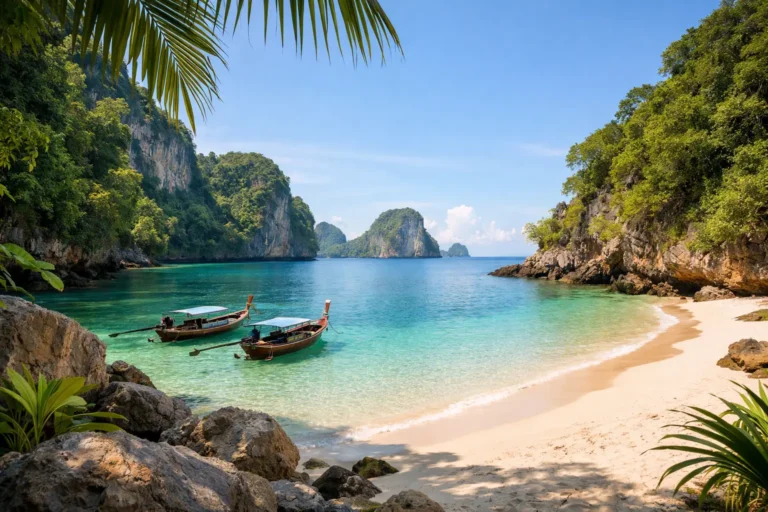
Chiang Mai is useful as an arrival point, but it should not always be the destination. Northern Thailand becomes far more interesting when you move into smaller towns and mountain provinces where daily life still shapes the traveller experience more than the tourism industry does.
Nan is a strong example. So are parts of Mae Hong Son Province if you are comfortable with winding roads. These areas offer temple towns, rice landscapes, local cafés, and a pace that encourages you to notice details. You are less likely to spend the trip bouncing between activities designed for visitors and more likely to settle into a place.
This is also where expectations matter. If you want nightlife and constant options, stay with the bigger hubs. If you want quiet roads, local markets, and mornings that begin with coffee and mist rather than queues, northern Thailand outside Chiang Mai is hard to beat.
6. Swap Hawaii’s resort zones for a slower island pocket
Hawaii can be deeply rewarding once you get beyond the big resort corridors and packed day-trip circuits. That does not mean pretending infrastructure does not matter. It means choosing a base that makes room for landscape, local food, and early starts rather than full car parks and overbooked beaches.
On the Big Island, that might mean splitting time between different coasts instead of staying in one resort-heavy area. On Kauai, it could mean building your days around hikes, small towns, and quieter food spots rather than chasing every famous viewpoint at peak hours.
The practical point here is timing. In places with limited roads and high accommodation demand, your experience can change dramatically based on where you stay and when you set out. Off-path travel in Hawaii often looks less like going somewhere secret and more like making better choices than the average holidaymaker.
7. Plan a Greenland trip around one region, not the whole map
Greenland draws travellers who want scale, silence, and something genuinely different. It is also a place where over-ambition can ruin a trip quickly. Flights are limited, weather affects schedules, and distances are huge. The smarter approach is to build your holiday around one region – Disko Bay, South Greenland, or East Greenland – and let the experience breathe.
Disko Bay works well for first-timers because it balances access with the landscapes many people imagine when they think of Greenland: icebergs, boat trips, colourful settlements, and long summer light. South Greenland is stronger if you want farming history, hiking, and a greener contrast.
This is one of the clearest examples of why off the beaten path does not mean winging it. You need to book carefully, understand transport limits, and accept that weather can rewrite plans. Do that, and Greenland feels less like a bucket-list cliché and more like a real place you had the privilege to enter.
8. Build a holiday around one small cultural festival
Not every unusual trip needs to hinge on geography. One of the most reliable off the beaten path holiday ideas is to choose a lesser-known festival and organise the whole journey around it. That could mean a regional music gathering, a seasonal food event, or a local celebration tied to harvest, religion, or craft traditions.
The advantage is instant shape. Your trip already has a focal point, and the surrounding days can be built around nearby villages, landscapes, or smaller cities that are not usually top of mind. It also creates a stronger sense of occasion than simply arriving somewhere and hoping it feels special.
The key is to choose events that still belong to the place rather than spectacles built primarily for outsiders. Smaller scale often means better access and more genuine interaction, but it can also mean fewer beds and transport options. Plan early.
9. Pick one borderland region and travel slowly
Border regions are often overlooked because they do not fit neat tourism marketing. That is exactly why they can be so rewarding. Think of areas where language, food, architecture, and landscape begin to blur. Those edges often produce the richest travel days.
You might choose the Spanish-French Basque area, the Austrian-Slovenian borderlands, or the quieter reaches between northern Thailand and Laos depending on your comfort level and timeframe. The point is not to rack up countries. It is to spend enough time in one crossover region to notice what changes from village to village.
These trips suit travellers who enjoy texture over landmarks. They are less about headline sights and more about markets, walks, guesthouses, road routes, and local dishes that tell you where you are without needing a signboard.
How to choose the right off-path trip for you
Start with your tolerance for friction. Some travellers are happy hiring a car, navigating patchy timetables, and adjusting plans on the go. Others want the destination to feel unusual while the logistics stay straightforward. Both are valid, but they lead to different choices.
Then think about what you actually mean by “different”. If you want nature and space, islands, mountains, and northern regions will likely appeal more than secondary cities. If food and culture matter most, look for regional capitals and festival-led trips rather than remote wilderness. And if you want community without the feel of a coach tour, a genuinely small-group format can be the sweet spot – enough structure to remove the admin, enough freedom to keep the trip personal.
Wander Responder’s best-fit trips tend to live in that middle ground. The places feel distinct, the planning is honest about trade-offs, and the experience is designed for travellers who want more than a standard package without turning every day into an obstacle course.
A good off-path holiday should make you feel more present, not more stressed. Pick the place that matches your pace, leave room for the unexpected, and let the trip be shaped by what is actually there rather than what everybody else said you had to see.