You do not find a genuinely less-touristed place by typing “hidden gem” into a search bar and booking the first guesthouse with string lights. By the time a destination is marketed that way, the secret is usually out. If you want to learn how to travel off the beaten path, the real skill is not chasing isolation for its own sake. It is learning how to spot places, routes and experiences that sit just outside the standard travel circuit – and then approaching them with enough preparation to enjoy them properly.
That matters because off-path travel is not automatically better travel. Sometimes it delivers the most memorable part of a trip: the mountain town that never made it into the guidebook, the neighbourhood café where nobody is trying to sell you a version of your own culture, the local bus ride that shows you how a place actually works. Sometimes it also means patchy transport, language friction, fewer food options and a plan that falls apart by lunchtime. The sweet spot sits somewhere between independent discovery and realistic logistics.
What off the beaten path actually means
For some travellers, it means a remote island or a hard-to-reach national park. For others, it means spending three nights in a smaller regional city instead of joining the queue in the capital. Both count. Off the beaten path is less about total obscurity and more about stepping away from the most saturated routes.
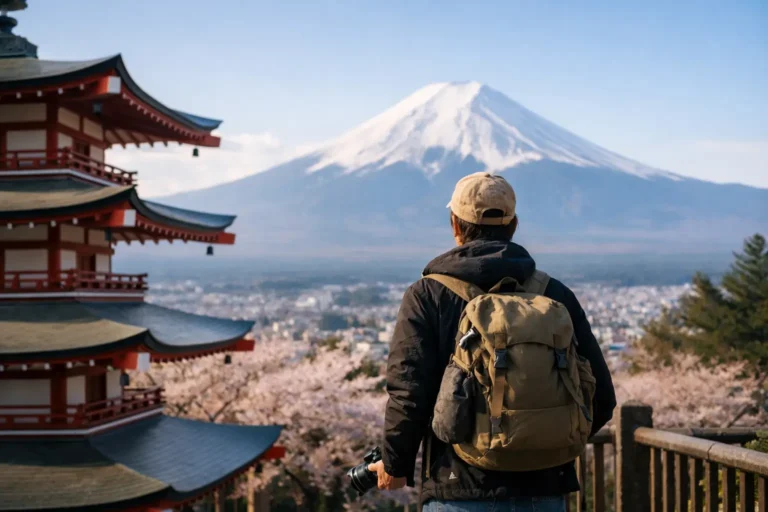
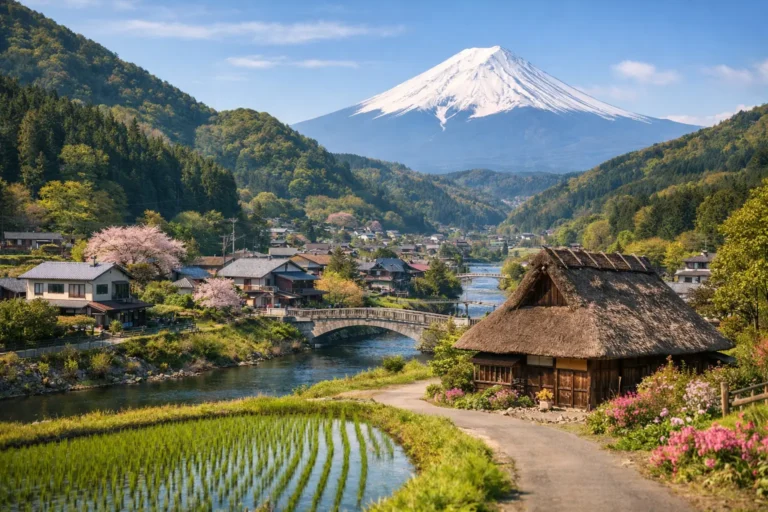
In practical terms, that might look like choosing Kanazawa over another rushed stop in Tokyo, basing yourself in northern Thailand beyond Chiang Mai’s busiest areas, or adding a west coast village in Ireland instead of only doing Dublin and the Cliffs of Moher. You are not trying to prove anything. You are trying to get a richer read on a destination.
How to travel off the beaten path without making the trip harder than it needs to be
The mistake many travellers make is treating every mainstream place as a failure and every inconvenient place as automatically authentic. It does not work like that. A strong off-path itinerary usually mixes well-known anchors with quieter sections that give you room to explore.
Start with one region, not a whole country. If you try to build an alternative route across an entire destination, you can end up spending half your trip in transit. A better approach is to pick a part of the map where transport connections, scenery and smaller towns all make sense together. Once you stop planning by bucket-list headline and start planning by region, better options appear.
It also helps to ask a more useful question than “Where is nobody going?” Try asking, “Where are travellers going less, but locals still live full, interesting lives?” That shift matters. It pushes you towards places with real infrastructure, everyday culture and enough services to make the trip enjoyable.
Look for the second-tier base
One of the simplest ways to travel off the beaten path is to choose a smaller base near a major draw. Instead of staying in the busiest city and day-tripping out with everyone else, stay in the surrounding area and reverse the flow.
That changes your experience immediately. You get quieter mornings, more natural conversations and a better chance of seeing what a place feels like outside peak visitor hours. It also often improves value. Smaller towns can offer better stays, lower transport costs and a pace that leaves room for spontaneity.
Travel in the shoulder season
A destination does not have to be obscure to feel off-path. Timing can do a lot of the work. Visiting just outside peak season often gives you the same landscape, the same cultural depth and far fewer people competing for it.
There is a trade-off, of course. Some seasonal businesses may be closed, ferry schedules may be thinner and weather can be less predictable. But if your goal is a more grounded experience, shoulder season can be more effective than chasing a supposedly secret destination on the busiest week of the year.
Do deeper research, not just more research
If your sources are all ranking articles with the same five towns repeated in the same order, your itinerary will probably be predictable. Good off-path planning comes from layering your research.
Use transport maps, regional tourism sites, hiking networks, local event calendars and accommodation patterns. If several small towns have regular train or bus links, a weekly market, and a spread of locally run stays, that is usually a strong sign you can build a trip there. If a place looks beautiful online but transport only runs twice a week and everything shuts by 5 pm, that may still suit you – but you should know it before you arrive.
This is where experienced travel brands can save time. Wander Responder, for example, focuses on the kind of destination guidance that helps you distinguish between a place that is genuinely rewarding and one that is simply awkward to reach. That difference is not glamorous, but it shapes the whole trip.
Build your trip around interests, not just places
The most successful off-path travel often starts with an activity or theme. Food-focused travellers can look for regional market towns and cooking traditions. Hikers can use trail systems to identify quieter bases. Architecture fans might skip the capital and head for smaller historic cities. Wildlife travellers can structure an itinerary around migration windows or lesser-known reserves.
This works because your trip gains purpose. You are not just going somewhere less famous and hoping it turns out to be interesting. You are choosing a place because it has something specific to offer, which makes the planning sharper and the experience more immersive.
How to travel off the beaten path and still meet people
One concern people rarely admit is that quieter places can feel lonely, especially if you are travelling solo. Large tourist hubs make socialising easy because there is a built-in flow of other travellers. In a smaller town, you may need to be more intentional.
That could mean choosing a guesthouse over a chain hotel, joining a local class, booking a guide for a day, or travelling with a small group when the destination is logistically tricky. Smaller group travel can be a smart middle ground for people who want access to less conventional routes without sacrificing ease, company or local context.
Respect matters more in less-touristed places
In heavily visited destinations, local systems are often built around outsiders. In quieter places, that buffer may not exist. Your behaviour stands out more, and so does your impact.
That means a bit more humility goes a long way. Learn a few basic phrases. Check whether cash is still preferred. Dress for the local setting rather than the social media version of it. Ask before taking photographs of people or private property. Spend money with local businesses where you can, especially in places where tourism is supplementary rather than dominant.
Off-path travel should not mean treating communities as undiscovered content. The goal is not to arrive first. The goal is to arrive well.
Plan for friction, then leave room for discovery
The best off-the-beaten-path trips feel loose on the surface, but they usually have solid bones underneath. You want your transport, first nights and key timing points sorted. You do not need every afternoon planned.
That balance is what makes the experience enjoyable rather than stressful. Book the difficult bit in advance – the rental car, mountain hut, ferry, regional train, or guide in a place with limited availability. Then leave margin for local recommendations, weather shifts and places that deserve longer than expected.
If everything goes perfectly to schedule, you may have overplanned. If nothing is bookable and you have no fallback options, you may have underplanned. Off-path travel rewards people who prepare enough to stay flexible.
Safety is part of the experience, not a separate topic
There is nothing romantic about getting stranded because you assumed a remote route would sort itself out. Before you go, check mobile coverage, cash access, opening days, transport frequency and whether you need permits or advance reservations. In some destinations, a place feels hidden simply because practical information is poorly signposted in English, not because it is especially wild.
Trust your instincts, but do not confuse uncertainty with adventure. If a route is unsafe in bad weather, if driving conditions are outside your comfort zone, or if local advice is clearly telling you not to continue, adjust the plan. The better traveller is usually the one who knows when not to force it.
A good off-path itinerary does not need to be remote, difficult or worthy of a dramatic caption. It just needs to feel more intentional than the standard circuit. Pick a region carefully, follow your interests, leave space for real life to happen, and be the sort of visitor a place would welcome back.