You notice it quickly when a trip is too big. The guide is herding people across a square, half the group cannot hear the explanation, lunch turns into a queue, and the day runs on the slowest possible setting. That is exactly why small group tour benefits stand out for travellers who want more than a box-ticking holiday. A smaller group does not just feel nicer. It changes what you can access, how you move, and how much of a place you actually get to experience.
For travellers who usually plan independently, that difference matters. The best small-group trips keep the useful parts of organised travel – local expertise, transport planning, and smart logistics – without stripping away the sense of discovery. You still get structure, but not the factory-line version of it.
Why small group tour benefits go beyond comfort
A lot of tour companies sell smaller numbers as a luxury feature, but the real value is practical. A group of 8 to 10 people can do things that a coach of 40 simply cannot. It can switch plans when weather changes, fit into family-run restaurants, and spend less time loading and unloading bodies and bags.
That has a knock-on effect on the whole trip. Less waiting means more doing. Less crowd management means more meaningful guiding. Even simple moments – ordering food, asking questions, stopping for a photo – feel easier when the group size is sensible.
There is a trade-off, of course. Small-group travel is not usually the cheapest option on paper. Big coach tours spread costs across more passengers, so headline prices can look lower. But cheaper is not always better value if you lose time, flexibility, and the kind of experiences that made you book the trip in the first place.
Better access to places that feel less staged
One of the clearest small group tour benefits is access. Smaller groups can reach places that are impractical for larger tours, whether that means a remote coastal road, a tucked-away guesthouse, a local food spot with ten tables, or a village experience that would be overwhelmed by a busload of visitors.
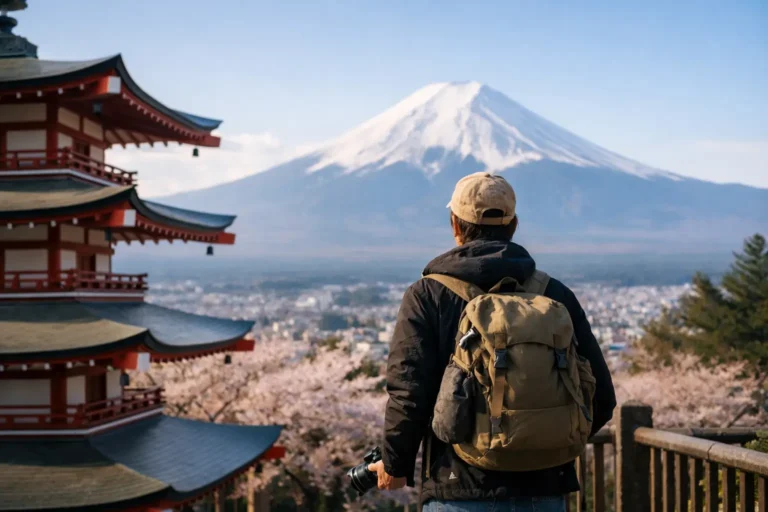
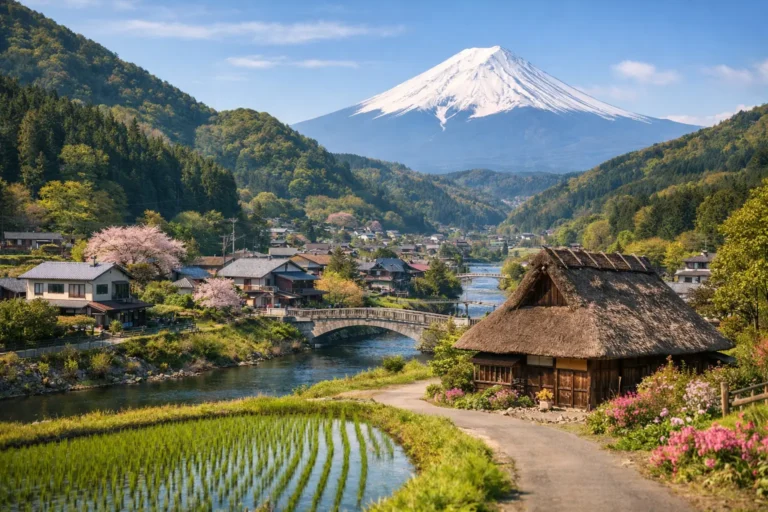
This matters most in destinations where the best moments happen away from the obvious route. In places like Greenland, rural Japan, or parts of New Zealand, travel often depends on timing, weather, road conditions, and local relationships. A smaller group can adapt to those realities instead of bulldozing through them.
It also changes the tone of the experience. You are less likely to feel like a visible tour convoy and more likely to feel like a traveller being welcomed into a place. That does not automatically make every encounter more authentic – that word gets overused – but it does make experiences less performative and more natural.
More flexibility when plans need to change
Every experienced traveller knows this: the best itineraries leave room for real life. Ferries are delayed. Trails close. A market runs later than expected. A viewpoint is covered in mist at 9 am and perfect by 11.
Large tours struggle with that because any small change becomes a logistical headache. Small groups have more breathing room. A guide can move lunch, swap the order of activities, or allow extra time somewhere worth lingering. That flexibility often improves the trip more than a packed itinerary ever could.
This is especially useful in destinations built around nature and local rhythm rather than strict timetables. If you are travelling through volcanic landscapes, island chains, mountain regions, or countries where transport connections can be unpredictable, adaptability is not a bonus. It is part of travelling well.
That does not mean small-group tours are completely free-form. Good ones still have a plan. The point is that the plan can bend without snapping.
A stronger guide-to-traveller ratio
Guiding quality can make or break a trip, and group size directly affects how useful a guide can be. In a smaller group, people ask more questions. Conversations feel natural rather than performative. The guide has time to notice who is interested in food, who wants a tougher walk, and who needs more context on local customs or history.
That creates a more personal experience without tipping into awkward forced intimacy. You are not competing with 30 other people for attention, and the guide is not spending half the day counting heads.
For many travellers, this is where the real value sits. You are paying for expertise, judgement, and smoother decision-making. A strong guide in a small group can help you understand a place, not just move through it.
Easier social dynamics without the chaos
There is a reason many independent travellers are wary of organised trips. The stereotype is loud personalities, rigid schedules, and the feeling of being trapped with strangers. Small groups tend to soften that problem.
With fewer people, the social dynamic is easier to read and easier to manage. You can get to know fellow travellers without needing to bond with an entire bus. Conversations carry over from one day to the next. Meals feel convivial rather than chaotic. If you want company, it is there. If you want a bit of space, that is usually possible too.
This balance matters for solo travellers in particular. A small group offers built-in community without the exhausting social churn of a larger tour. You arrive with instant company, but the experience still leaves room for your own pace and personality.
Of course, no group format guarantees perfect chemistry. People vary. Energy levels vary. Travel styles vary. But smaller numbers generally make for a calmer, more considerate atmosphere.
Less time lost to logistics
Travel planning is often less glamorous than it sounds. The reality is luggage handling, check-ins, transport timings, toilet stops, meal coordination, and all the tiny bits of admin that eat into the day. The bigger the group, the more these frictions multiply.
A small group moves faster at almost every point. Boarding transport takes less time. Room allocations are simpler. Restaurant service is smoother. Even optional stops are easier to arrange because decisions do not need to pass through a small crowd.
That efficiency is easy to overlook when comparing tour styles, but it has a real effect on how a trip feels. Days feel fuller without being rushed. You spend more time in landscapes, neighbourhoods, and cultural sites, and less time waiting for other people to find their water bottle.
More transparency and fewer unpleasant surprises
Not every small-group operator is equal, but smaller-format travel often goes hand in hand with clearer pricing and a more thoughtful product. Companies built around intimate departures usually know their audience is not just chasing the lowest possible fare. They are looking at value, experience quality, and whether the trip is honestly presented.
That means transparent inclusions matter. So does realistic pacing. So does being upfront about accommodation standards, driving times, physical activity, and where flexibility exists. For travellers who want adventure without hidden surcharges or fuzzy promises, this is a major advantage.
It is one reason boutique operators have earned trust with more experienced travellers. When the group is small, the trip itself has to stand up on merit. There is less room to hide behind spectacle or volume.
The small group tour benefits that matter most for independent travellers
If you usually build your own itineraries, you might wonder whether a tour makes sense at all. Fair question. Some destinations are easy to handle solo. Others become much more rewarding when local knowledge and logistics are sorted for you.
Small-group travel works best in that middle space where you want both freedom and support. Maybe you do not want to drive unfamiliar roads in winter conditions. Maybe public transport is patchy. Maybe the destination is safe enough to visit independently but much richer with someone who knows which detour is worth taking.
That is why the strongest small group tour benefits are not about being looked after in a passive sense. They are about removing friction while keeping the trip immersive. You still feel present in the place. You are just not burning energy on every booking, transfer, and route decision.
For the right traveller, that is a sweet spot. It preserves the spirit of independent exploration while cutting out the parts that are mostly admin.
When a small-group tour may not be the best fit
It depends on your travel style. If you hate fixed dates, prefer total spontaneity, or need long stretches of solo time, even a well-run small-group trip might feel too structured. If budget is the only priority, independent travel or a larger tour may come in cheaper.
There is also the question of pace. Some small-group itineraries are adventurous but full-on. Others lean more relaxed. The group size alone does not tell you everything, so it is worth checking how the days are built and what kind of traveller the trip is really designed for.
The best operators are clear about that. A group capped at ten sounds good, but the real test is whether the itinerary, guiding, and pricing all support that smaller experience in a meaningful way.
Wander Responder’s approach reflects that shift in what travellers actually want: expert-led trips with small numbers, transparent pricing, and room for the destination to feel like a real place rather than a packaged backdrop.
If you are choosing between going fully independent and joining a traditional large tour, small-group travel often lands in the most useful middle ground. You get the confidence of local insight, the ease of smarter logistics, and enough flexibility for the trip to still feel like your own. For many destinations, that is not just a nicer way to travel. It is the version that makes the journey worth taking in the first place.