Common Mistakes HIkers Make
On The Tongariro Alpine Crossing
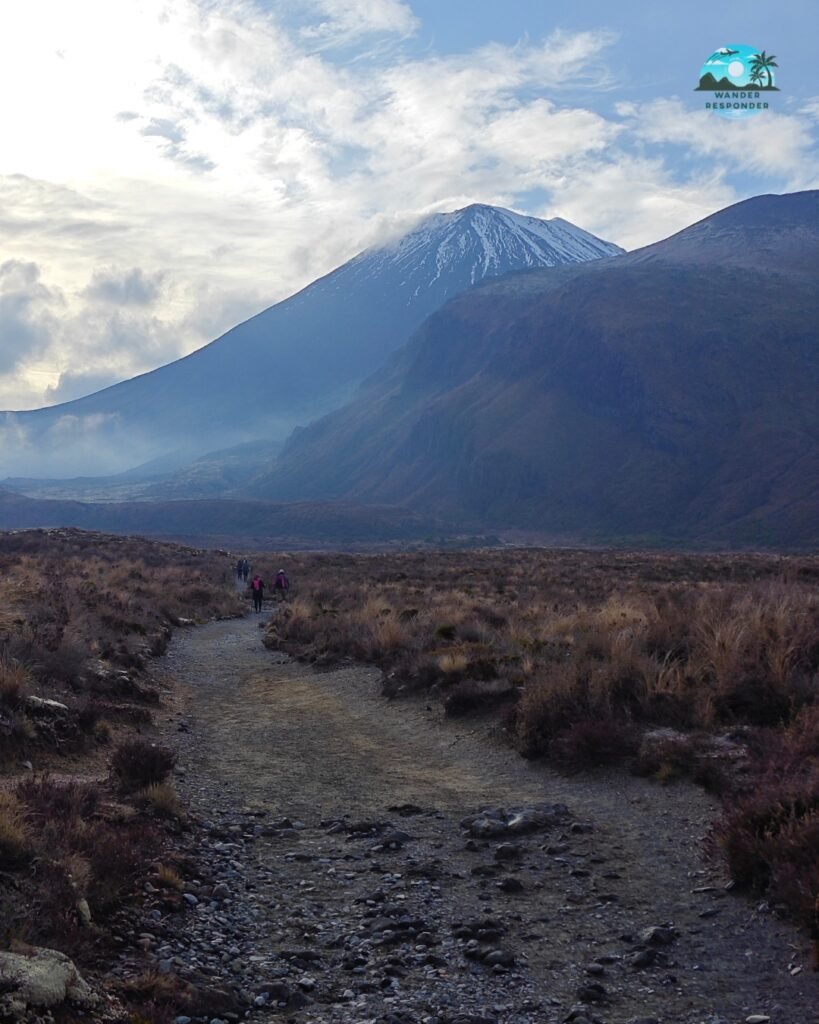
Even though the Tongariro Alpine Crossing is one of the most famous day hikes in the world, many hikers underestimate it. The terrain, weather, and logistics all add up — and small mistakes can quickly turn the day from amazing to exhausting. I wrote full blogposts about Tongariro Alpine Crossing and What to Pack for this 19.4-kilometre hike so you don’t make the same mistakes I did.
Here are the most common ones to avoid:
Starting Too Late in the Day
One of the biggest mistakes is starting late. When you begin the hike after mid-morning you (might) face larger crowds on narrow sections. Weather usually tends to worsen in the afternoon. The shuttle schedules become tighter and more full in later hours, so small traffic jams may occur. You might not even get a parking space if you’re exploring New Zealand with rental vehicle. (NZ with car or campervan). You also risk finishing in low light, depending on season you’re hiking, or fatigued.
Tip: Aim for the earliest shuttle possible — ideally arriving at Mangatepopo around sunrise. Shuttles usually start driving around 6am. I wrote more about shuttles in the full Tongariro blogpost.
Underestimating the Weather
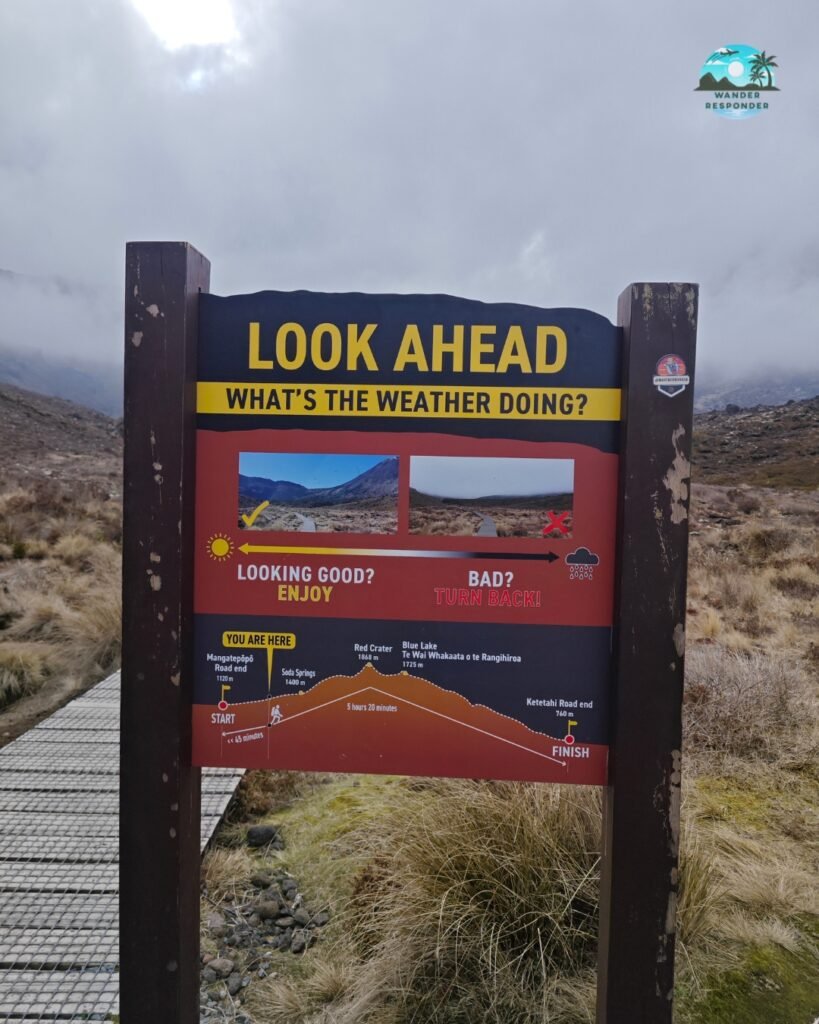
The alpine environment changes fast. A calm morning can turn into freezing wind or heavy rain within hours, or even scorching heat as you’re walking dark volcanic surfaces. Many hikers start in light clothing, that turns out to be too light when conditions change. People also don’t bring waterproof layers or don’t prepare for wind chill at Red Crater. Better safe than sorry, right?
Tip: Always pack for four seasons in one day — even if the forecast looks perfect.
Not Bringing Enough Water
There are no reliable water refill points along the 19.4-kilometre track. There is no shop or stall to buy it, streams are very limited and not treated. A good option is to have a bottle with integrated self-filtration system (shop Lifestraw) to filter out possible bacteria & parasites from the streams along the way. A common mistake is bringing too little water (especially on hot days) and no electrolytes for long exertion.
Tip: Carry at least 2–3 litres per person.
Wearing the Wrong Footwear
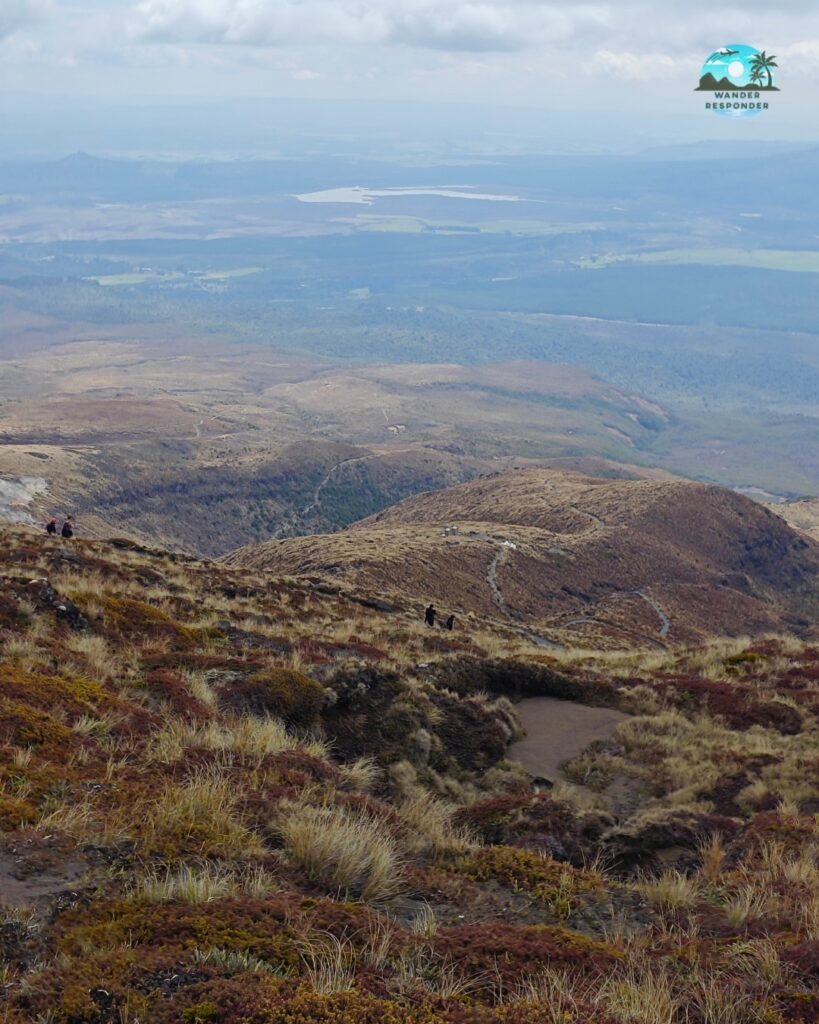
The descent from Red Crater is steep and covered in loose volcanic scree. The descent after the last basin continues downhill for several hours. Many hikers struggle because they wear running shoes with poor grip or brand-new boots (not broken in) and other unsupportive footwear.
Tip: Good grip and comfort matter more than style — this terrain is unforgiving.
Underestimating the Descent
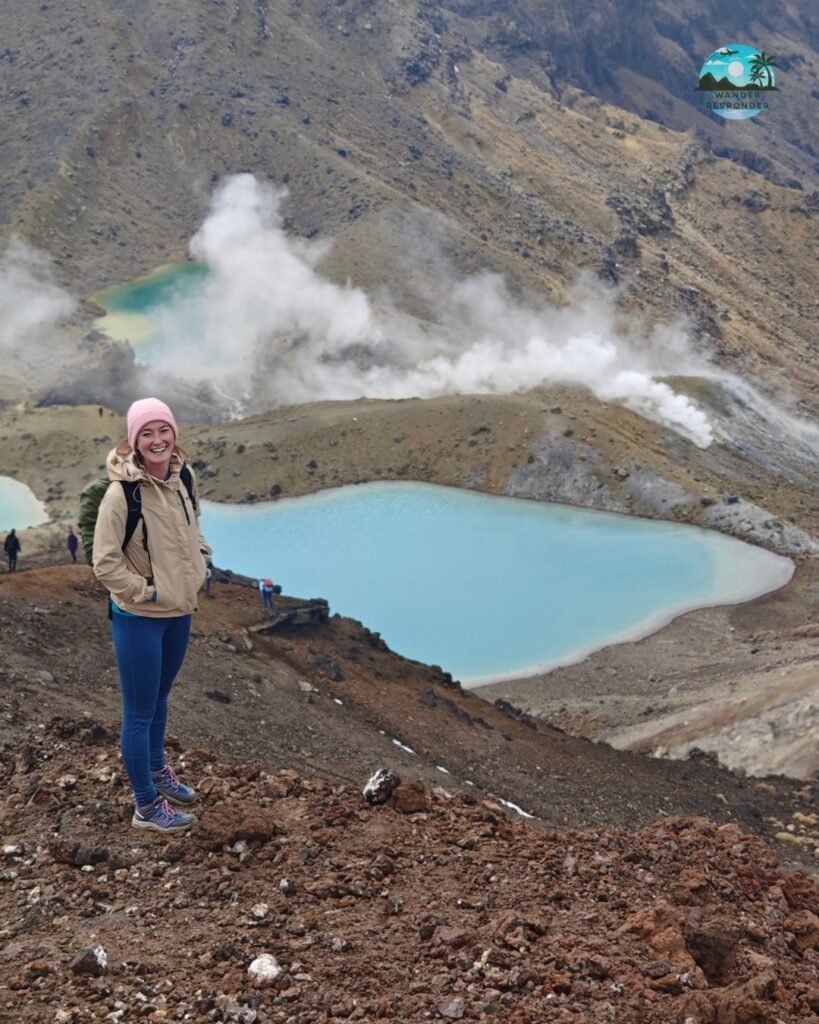
Most people prepare for the climb — but forget about the long downhill section. When you reach the Emerald Lakes, you’re literally only half way through the hike. Like mentioned above, after the Emerald Lakes the trail continues for hours. Your legs might become fatigued and sore. Overall, the final section feels longer than expected.
Tip: Save energy for the descent — it’s mentally and physically draining.
Not Booking Shuttles in Advance
During peak season, shuttle services fill quickly, especially on clear weather days. I’d suggest you book your shuttle as soon as you make the plan for Crossing. Common issues I’ve heard people face were missing preferred departure times and having to wait hours for return pickups. There’s also limited flexibility if weather changes, because people cancel in poor weather and rebook for the first possible option.
Tip: Book your shuttle at least a few days ahead in summer.
Ignoring Track Closures
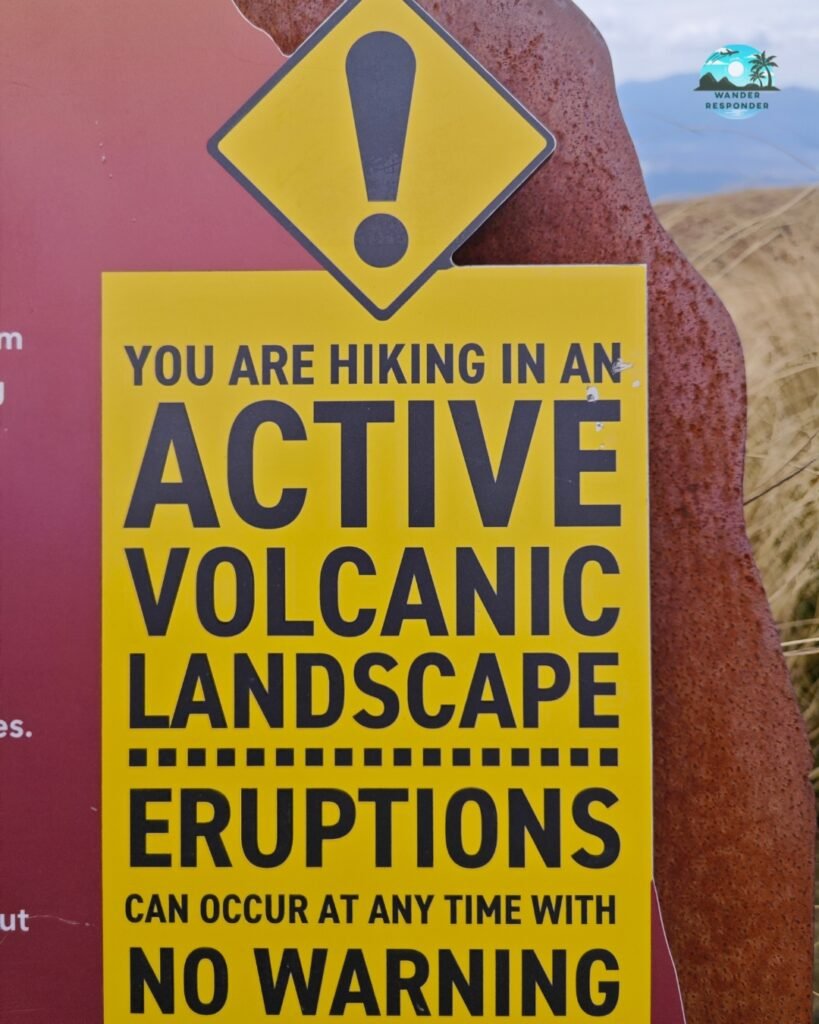
The Tongariro Alpine Crossing passes through active volcanic terrain and exposed alpine ridges. Occasionally it happens that high winds close the crossing. Sometimes snow or ice makes sections unsafe. In any case – DOC issues warnings or restrictions. Always check their website a day before your planned hike.
Tip: Always check official conditions before you go — and be prepared to change plans.
Is the Tongariro Alpine Crossing worth it?
Yes — but not in the casual “that was a nice hike” way.
The Tongariro Alpine Crossing is the kind of experience that stays with you long after your legs have recovered. It’s not comfortable, and it’s not always easy — but that’s exactly what makes it unforgettable.
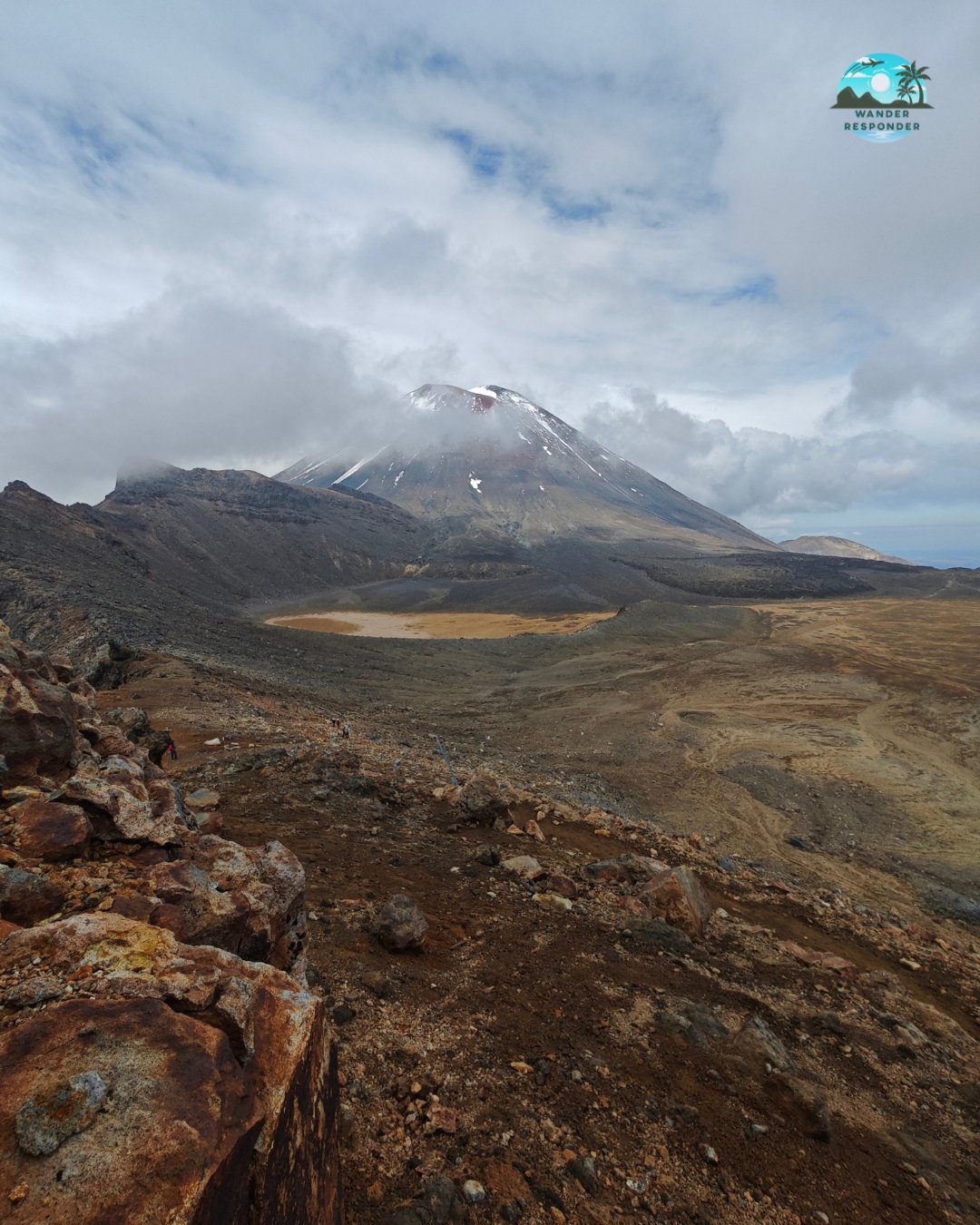
When you’re climbing the Devil’s Staircase with wind pushing against you, or standing at Red Crater surrounded by raw volcanic silence, or watching the Emerald Lakes appear like something painted into the landscape, you realise this isn’t just a hike. It’s a journey through a living, shifting earth. The steam vents are thundering in the distance and if the wind blows in your direction, you will smell the breath of Earth.
You don’t come here for relaxation. You come here to feel small in the best possible way — to move through a landscape that feels ancient, powerful, and completely indifferent to whether you make it or not.
And then, hours later, when you finally reach the end at Ketetahi, exhausted and sun-worn and slightly overwhelmed, you understand why this trail is spoken about with so much reverence.
It’s not just one of the best day hikes in New Zealand.
It’s one of those rare experiences that quietly resets your definition of what a hike can be.
Did you know that...
… by purchasing through our links, you support the creation of our website at no additional cost to you. Thank you <3
More New Zealand Blog Posts
There are loads of adventurous things to do in New Zealand and we also wrote detailed guides for all of the epic things you can do there. You can explore more of our guides by clicking one of the links below.
No posts found!