Some trips are memorable because of the headline sights. Others stay with you because you turned down the less obvious road, lingered longer, and found a place that still feels like itself. If you are searching for the best off the beaten track travel destinations, the sweet spot is not total isolation. It is a destination that offers real character, manageable logistics, and enough infrastructure to travel well without feeling like you are standing in a queue all week.
That balance matters. A remote place is not automatically a better one, and “hidden gem” is often just code for inconvenient, overpriced, or no longer hidden at all. The destinations below earn their place because they reward the extra effort with stronger scenery, more local texture, and a pace that lets you actually notice where you are.
What makes the best off the beaten track travel destinations worth it?
The best trips beyond the usual tourist circuit tend to share a few traits. They are distinctive enough to feel exciting, but not so hard to reach that logistics swallow half your holiday. They also offer more than one-note novelty. You want somewhere you can build a proper itinerary around, not just tick off for a photo and move on.
Season matters too. Some places are brilliant for three months of the year and frustrating for the other nine. Others work because they are quieter alternatives to famous neighbours. That is often the smarter play for independent travellers – choose the region everyone talks about, then stay in the town, island or valley they skip.
12 best off the beaten track travel destinations
1. The Azores, Portugal
The Azores suit travellers who want volcanic scenery, hiking, thermal pools and Atlantic weather that keeps you on your toes. São Miguel is the easiest entry point, but even there the experience feels calmer than mainland European hotspots. You can spend mornings on crater-rim walks and afternoons eating locally grown produce without the usual pressure to rush.
The trade-off is that conditions can shift quickly. If your ideal trip depends on flawless beach weather, this is not that. But if you like landscapes with mood, and you want Europe without the crush, the Azores are an easy recommendation.
2. Hokkaido, Japan
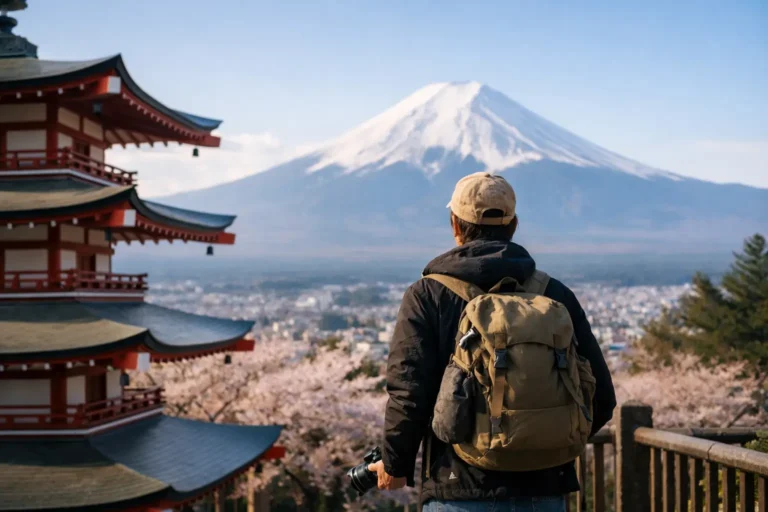
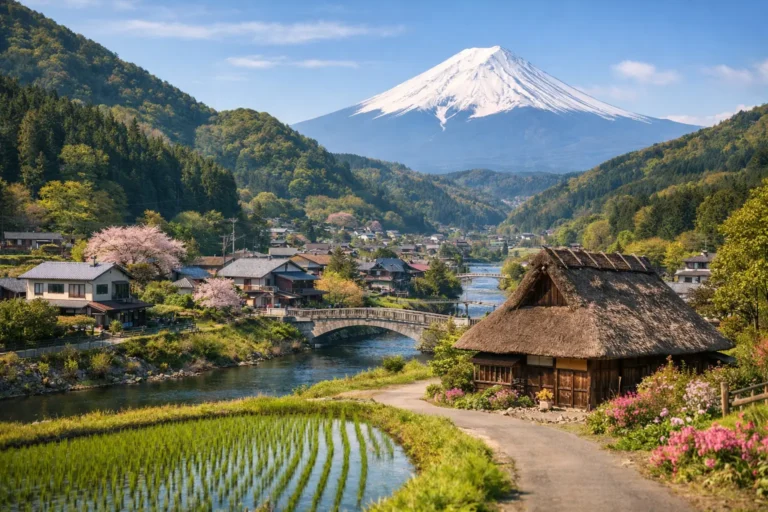
Most first-time Japan itineraries focus on Tokyo, Kyoto and Osaka. Hokkaido offers a different version of the country – broader landscapes, cooler summers, excellent food and a less compressed rhythm. In winter it draws snow lovers, but green-season Hokkaido is just as rewarding for road trips, flower fields and national park scenery.
It works especially well for travellers who love Japan but want breathing room. Public transport exists, though a car gives you far more flexibility outside the main cities. If you prefer spontaneous detours to rigid timetables, that makes a big difference.
3. Greenland
Greenland is one of the rare places that still feels genuinely vast. Ice fjords, colourful settlements and long stretches of silence give it a scale that few destinations can match. It is not cheap, and it is not casual, but that is partly why the experience feels so distinct from more polished Arctic trips.
This is a place to choose deliberately. Weather can reshape plans, transport is limited, and comfort levels vary by town and season. For travellers who can handle a little unpredictability, the payoff is enormous.
4. Northern Thailand beyond Chiang Mai
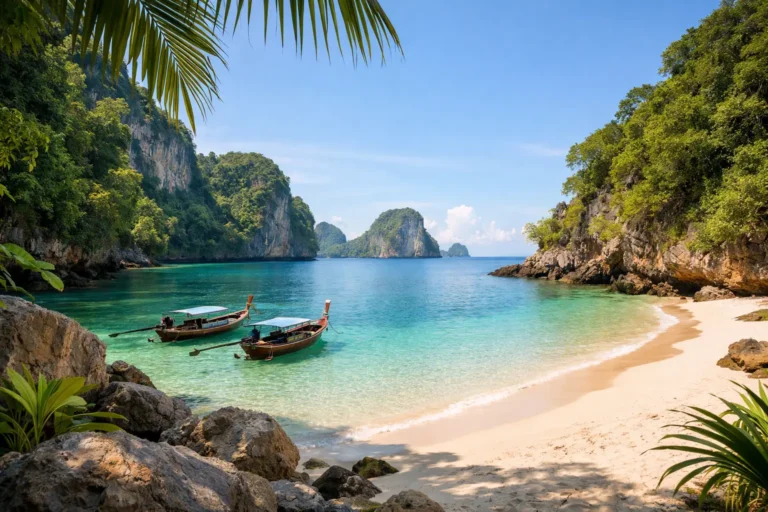
Chiang Mai is no secret, but northern Thailand opens up beautifully once you move past the standard city break. Places like Nan, Chiang Dao and Mae Hong Son offer mountain roads, village stays, temple culture and a slower rhythm than the better-known hubs. You still get excellent food and relatively straightforward travel, just with less noise around you.
This region works best when you avoid trying to cram too much in. The point is not to race between viewpoints. It is to give yourself time for local markets, long meals and those unplanned stops that often become the best part of the trip.
5. West Cork, Ireland
If Ireland appeals but you want something more grounded than a whistle-stop lap of the usual landmarks, West Cork is a strong call. The coast is wild without feeling inaccessible, the towns are small but lively, and the food scene is better than many visitors expect. You can build a holiday around scenic drives, coastal walks, music sessions and proper pub evenings rather than souvenir-heavy sightseeing.
Weather is the obvious variable. A bright day here feels unbeatable, while rain can close in fast. Still, that changeable quality is part of the atmosphere, and West Cork rarely feels overproduced.
6. New Zealand’s Catlins
The Catlins, in the south-east of New Zealand’s South Island, are often overshadowed by Queenstown and Milford Sound. That is exactly why they are worth your attention. Think rugged coastline, waterfalls, windswept forests and wildlife sightings without the same level of traffic or itinerary pressure.
It is not a destination for nightlife or glossy resort comforts. It is for travellers who are happy with early starts, simple stops and a sense that the landscape is doing the heavy lifting. Hire a car, leave space in the plan, and let the weather shape the day.
7. Naxos, Greece
Santorini gets the headlines. Naxos is where many travellers end up exhaling. It has beaches, mountain villages, ancient sites and enough dining and accommodation options to keep things easy, but it still feels more liveable than performative. That matters if you want a Greek island trip that includes both sea time and actual exploration.
Peak summer still brings crowds, so timing helps. Late spring and early autumn are often the sweet spot for better value and a more relaxed atmosphere.
8. Morocco’s Anti-Atlas
Morocco is often reduced to Marrakech, Fes and the Sahara circuits, but the Anti-Atlas offers a more layered experience. You get dramatic landscapes, old granaries, quiet villages and road-trip potential that rewards curiosity. It feels more spacious and less transactional than some of the country’s busiest routes.
That said, this is where planning matters. Distances can be longer than they appear, and independent travel is easier if you are comfortable with driving. For travellers who want Morocco beyond the postcard version, it is one of the strongest regions to consider.
9. Lofoten’s quieter edges, Norway
Lofoten is no longer secret, but it is still possible to travel there well if you shift your expectations. The trick is to avoid treating it like a checklist of the most photographed villages and instead spend time in the less-hyped corners, especially outside peak summer. The scenery remains extraordinary either way.
This is a good example of an off-the-beaten-track destination that depends on how you travel, not just where. Go slower, stay longer, and accept that the best moments may be a roadside stop or a walk in changing light rather than a famous viewpoint.
10. Albania’s southern coast and inland towns
Albania has moved firmly onto more travellers’ radar, but it still offers better value and more flexibility than much of the Mediterranean. The southern coast has clear water and dramatic scenery, while inland places like Gjirokastër add architecture and history that round out the trip.
The catch is that popularity is rising quickly. In high season, some coastal areas can feel far less hidden than the internet likes to suggest. Even so, if you combine the coast with inland stops, Albania still delivers a richer and less packaged experience than many neighbouring options.
11. Shikoku, Japan
Shikoku is one of the best answers for travellers who want Japan with fewer crowds and more regional character. It is known for the 88-temple pilgrimage, but you do not need to walk the full route to appreciate the island. River gorges, small towns, local food culture and scenic rail journeys all make it rewarding.
It suits travellers who enjoy piecing a trip together. There is enough infrastructure to make movement straightforward, but not so much that every stop feels over-curated. That balance gives the trip a satisfying sense of independence.
12. Molokai, Hawaii
Hawaii can be difficult if you want natural beauty without resort-heavy surroundings. Molokai offers a different pace – quieter roads, stronger local character and fewer of the polished edges that define more commercial islands. It is not built around big-ticket attractions, which is precisely the point.
You need to arrive with the right mindset. This is not a place for over-scheduled days or luxury-led expectations. If you value atmosphere over amenities, Molokai stands out.
How to choose the right off the beaten track destination for you
The best off the beaten track travel destinations are not universally “best” in the abstract. They are best for your travel style, budget and tolerance for friction. If you want easier self-planning, look at places like Naxos, West Cork or the Azores. If you are comfortable with more moving parts, Greenland or the Anti-Atlas may feel more rewarding.
Think carefully about what kind of effort you enjoy. Some travellers love hiring a car, adjusting plans with the weather and staying in small local properties. Others want the feeling of a less touristy place without spending days on logistics. There is no virtue in making a trip harder than it needs to be.
That is where a small-group model can make sense. For destinations with complicated transport, variable conditions or a lot of local nuance, travelling with expert travellers and a genuinely small group can remove the tedious bits without turning the holiday into a conveyor belt. Done properly, it gives you access and ease, not a loud umbrella and hidden surcharges.
A smarter way to travel beyond the obvious
The most rewarding trips are rarely about finding a place nobody has heard of. They come from choosing places that still have room to breathe, then giving them enough time to show you who they are. Pick one destination that matches your pace, build an itinerary with some slack in it, and leave space for the road, the weather and the people you meet to improve your plan.