You can tell a lot about a trip by the time it takes to get 40 people back on a coach after a photo stop. That is really what sits at the heart of the small group tours vs big tours debate: not just group size, but pace, access, flexibility and how much of the destination you actually get to feel.
If you are trying to choose between the two, the right answer is not always the smaller one. Big tours work well for some travellers and some destinations. But if you care about local immersion, smoother logistics and a trip that feels less like being processed and more like actually travelling, small groups tend to change the experience in ways that matter.
Small group tours vs big tours: the real difference
On paper, the difference looks simple. A small group tour might have 8 to 16 travellers, while a big tour could mean 30, 40 or more. In practice, that number shapes almost everything else.
A bigger group usually means a larger coach, a more fixed itinerary and tighter timekeeping. Stops need to be predictable. Meal options need to suit a crowd. Hotels need enough rooms for everyone. The guide is often managing logistics first and individual interests second.
A small group tour has more room to breathe. You can move faster through check-ins, adjust the day when weather shifts, and fit into places that would be awkward or impossible with a full coach. That could mean a family-run guesthouse, a backstreet food spot, a remote trailhead or a quieter wildlife experience where numbers genuinely matter.
That does not automatically make small better in every case. If your priority is seeing famous highlights efficiently and at the lowest possible per-person cost, a big tour can still do the job well.
When big tours make more sense
Big tours are popular for a reason. They can deliver a lot of convenience, especially for first-time visitors who want the classic sights without having to think too hard about transport, timing or language barriers.
There is usually a clear structure. You know where you are sleeping, how you are getting around and what is included. For travellers who find trip planning stressful, that certainty can feel like a relief. Larger operators can also negotiate volume rates, which sometimes makes headline pricing look more attractive.
They can be a good fit for mainstream routes too. In places where the experience revolves around major landmarks rather than intimate access, the drawbacks of a larger group may matter less. A city highlights circuit or a broad multi-country overview can work perfectly well on a bigger format.
The trade-off is that efficiency often comes before depth. If you want to linger in one neighbourhood, swap a scheduled lunch for a market wander, or ask loads of destination-specific questions, the format is less forgiving.
Why small group tours appeal to independent-minded travellers
Travellers who normally prefer to go solo often assume any organised trip will feel restrictive. That is understandable. But small group travel is a different category from mass-market touring.
The best small group trips keep the useful parts of a tour – expert planning, route logic, local knowledge, transport sorted – while stripping out the impersonal feel. You still get structure, but not the sense that you are being shuttled through a checklist.
That matters most in destinations where independent travel is possible but logistically annoying. Maybe public transport is patchy, driving is tiring, distances are longer than they look, or key experiences are spread across remote areas. A well-designed small group tour can remove friction without flattening the adventure.
For many travellers, the social side is another advantage. Ten people is enough for good conversation and shared energy, but not so many that you end up learning only three names. A smaller group tends to feel more like a temporary travel community than a moving crowd.
Pace, flexibility and what your day actually feels like
This is where the gap between small and big tours becomes obvious.
Large groups operate on a slower mechanical rhythm, even when the itinerary looks busy. Boarding takes longer. Comfort stops take longer. Room allocations take longer. Questions take longer. If one person is late, everyone waits. Across a week or two, those minutes add up.
Smaller groups can do more with the same day because less time is lost to herd management. That does not always mean packing in more sights. Often it means doing fewer things better. You get longer at the right stop, less dead time and more capacity for spontaneous moments.
Say the weather clears unexpectedly over a coastal viewpoint, or the guide hears about a local festival nearby. A small group can pivot. A big tour usually cannot. That flexibility is one of the most underrated parts of the small group model.
Access to local experiences
If your idea of a good trip includes more than queueing for the obvious photo, group size starts to matter a lot.
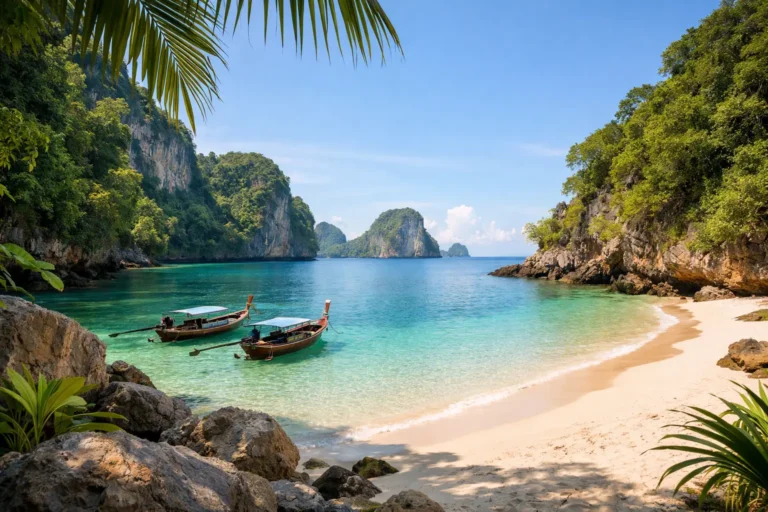
Small groups fit into places that larger tours cannot. That might mean a cooking class in a local home, a small boat trip, a tucked-away guesthouse, or a restaurant that has not built its business around coach groups. Experiences often feel more natural because the group is not overwhelming the setting.
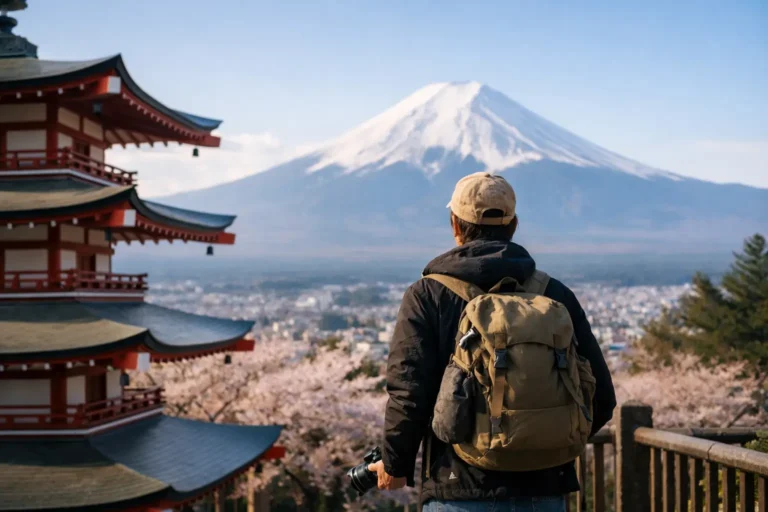
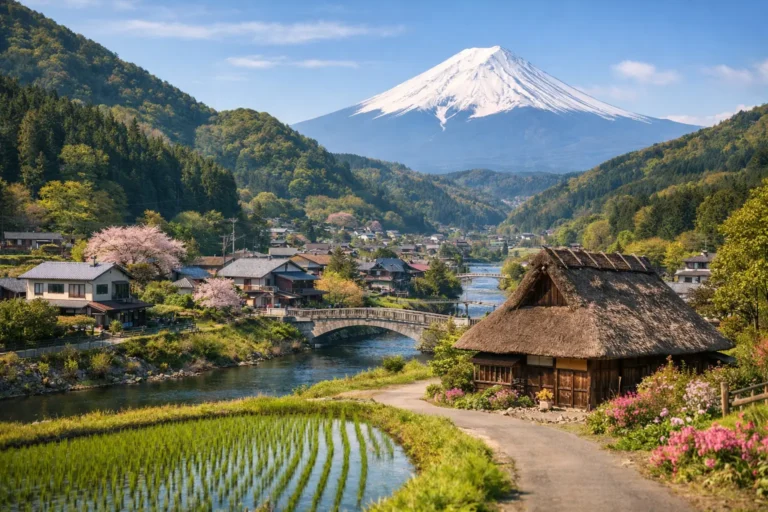
This is especially relevant in destinations where the appeal lies in texture rather than scale – rural Japan, parts of Morocco, smaller towns in Ireland, remote corners of New Zealand, island stops in Hawaii. In those places, a giant group can create distance between you and the place you came to experience.
A smaller group also tends to encourage more conversation with guides, drivers, hosts and each other. That can turn a good itinerary into a memorable one.
Cost: cheaper is not always better value
Price matters, and big tours often look cheaper at first glance. Sometimes they are cheaper in real terms too. But this is where you need to look past the base figure.
Large tours can carry extra optional add-ons, single supplements, upgrade prompts and busy itineraries built around high-volume stops. A low entry price does not always reflect the full spend once you are on the road.
Small group tours usually cost more upfront because the economics are different. Fewer people are sharing the guide, vehicle and operations. But you may get better inclusions, more thoughtful accommodation and a trip design that avoids the hidden friction of mass travel. Transparent pricing matters here. So does understanding what kind of experience you are paying for.
If your goal is the lowest possible cost per day, a big tour may win. If your goal is value per meaningful experience, small groups often come out ahead.
Who should choose a big tour?
A big tour is often the right fit if you want a broad introduction to a destination, prefer a very structured itinerary, or simply feel more comfortable in a larger social setting. It can also make sense for travellers who are less concerned with local immersion and more focused on ticking off major sights efficiently.
There is nothing wrong with that approach. Not every trip needs to be deep, remote or highly personal. Sometimes you just want an easy, reliable holiday with minimal decisions.
Who should choose a small group tour?
Small group travel suits people who want support without losing the feeling of independent travel. If you like the idea of curated logistics, expert travellers, scenic routes and a bit of breathing room in the itinerary, this format is usually a better match.
It is particularly strong for off-the-beaten-path regions, active itineraries and destinations where transport links do not line up neatly. It also suits travellers who want a social trip but would rather not spend their holiday in a crowd.
That is one reason brands such as Wander Responder lean into a clear small-group model. Capping numbers keeps the trip personal, makes the pace more enjoyable and opens doors that larger operators often miss.
The best choice depends on the trip you want to remember
The small group tours vs big tours question is really about what kind of traveller you are, and what kind of trip you want this one to be. If you want predictability, headline sights and a lower entry price, a big tour can absolutely work. If you want richer access, smoother days and a trip that feels closer to real travel, small groups usually deliver more.
Before booking, picture an ordinary day rather than the brochure highlights. Who are you with? How rushed are you? How easy is it to ask questions, change pace or connect with the place? That is usually where the right answer shows up.
Choose the format that gives you the kind of stories you will still want to tell once the photos are buried in your camera roll.